
Lifesaving & Emergency Response

Saving lives across Victoria—on land, in the water, and from the air. 

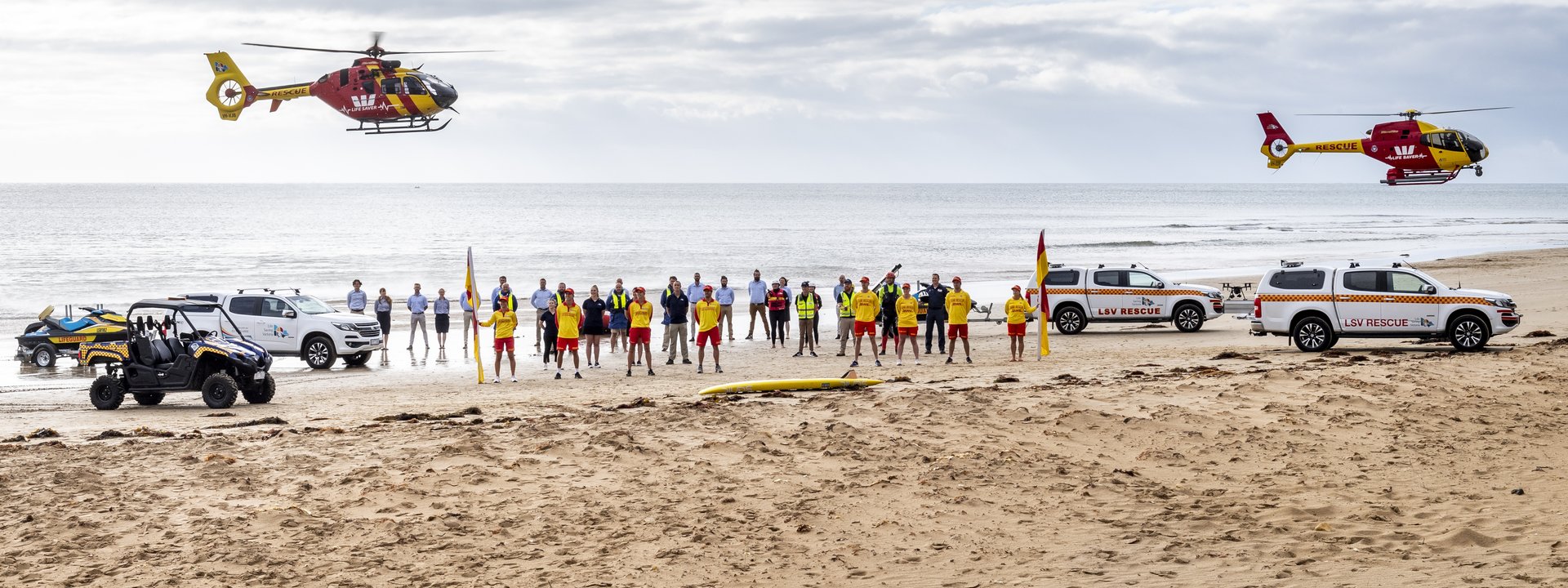
LSV delivers a state-wide, multi-layered search and rescue (SAR) capability that operates year-round. Combining the strength of over 7,000 trained volunteer lifesavers and 350 professional lifeguards, our coordinated network provides rapid response and prevention services across coastal and inland waterways. 

Contact our team

Lifesaving Capability Profile

Lifesaving Capability Profile

Overview

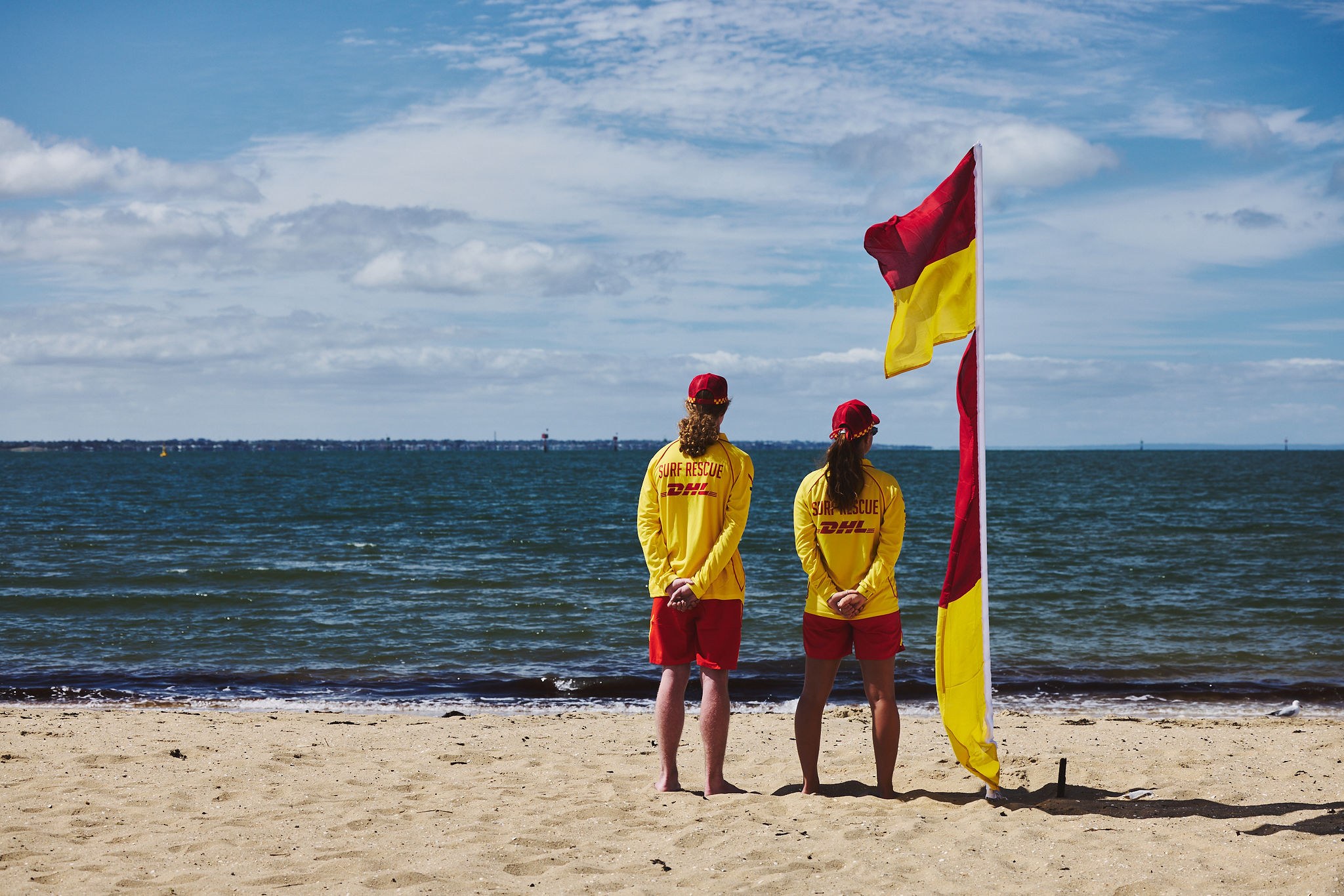
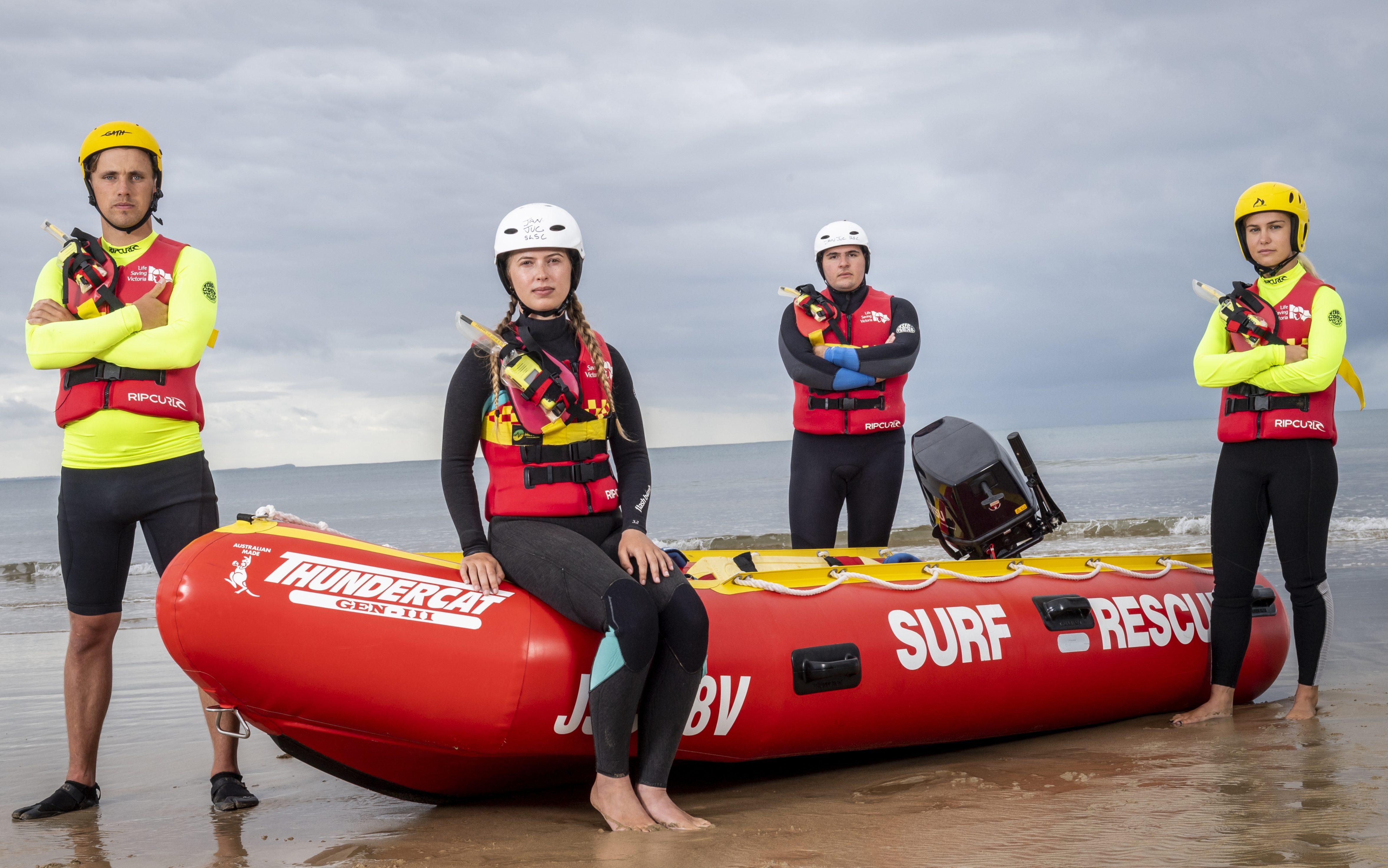
LSV’s lifesaving clubs and beach patrols are the backbone of Victoria’s coastal safety system. Operating at 57 clubs across the state, our patrol network deploys over 7,500+ trained volunteer lifesavers each season.

  • Patrol season typically spans from November to April, with additional deployments during peak risk days or events.
  • Volunteers conduct preventative actions, rescues, emergency care, and hazard monitoring.
  • Many clubs are supported by LSV’s professional lifeguard service, extending coverage to weekdays, remote and inland areas, and critical times outside volunteer hours.
  • Patrols are coordinated via the State Lifesaving Operations Centre and are integrated with broader emergency services through Emergency Managment Victoria (EMV).

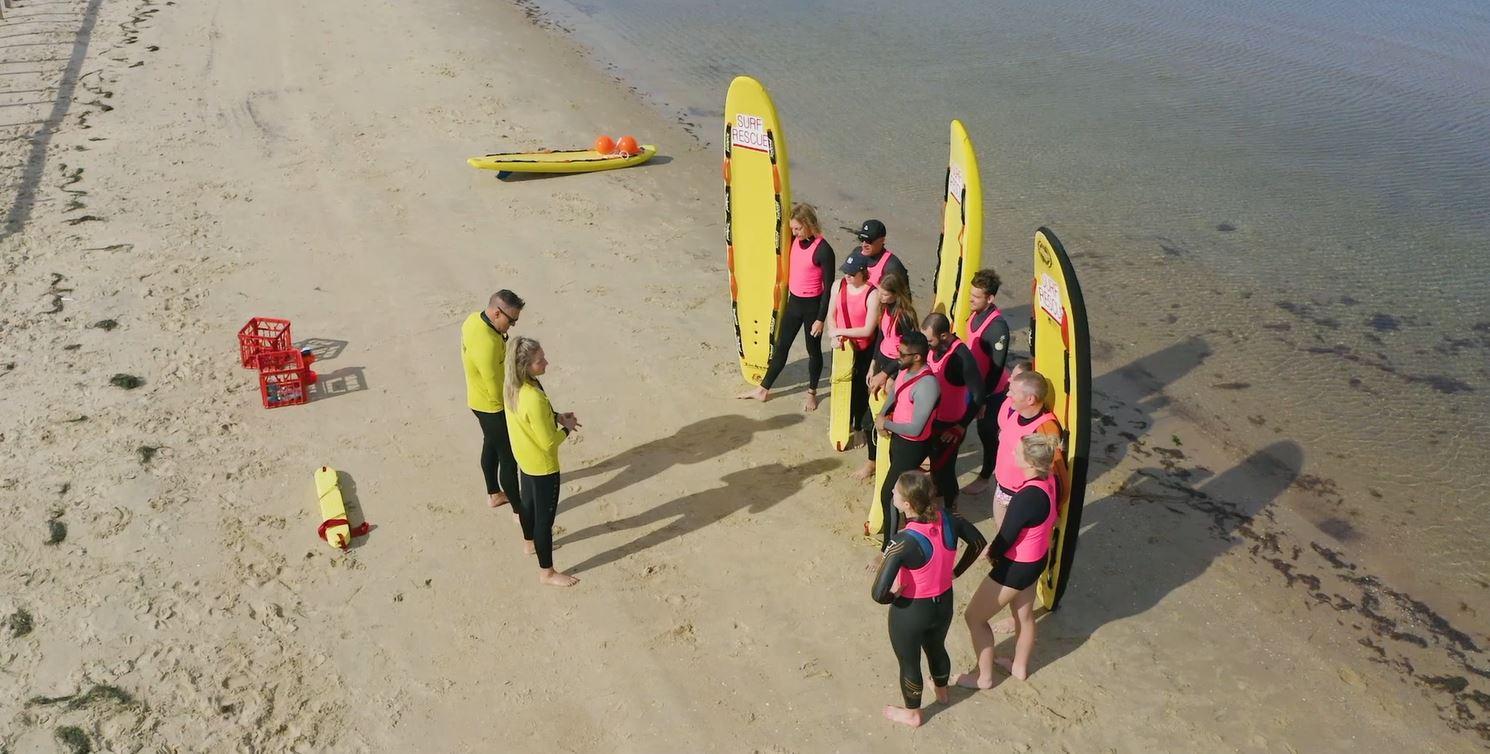
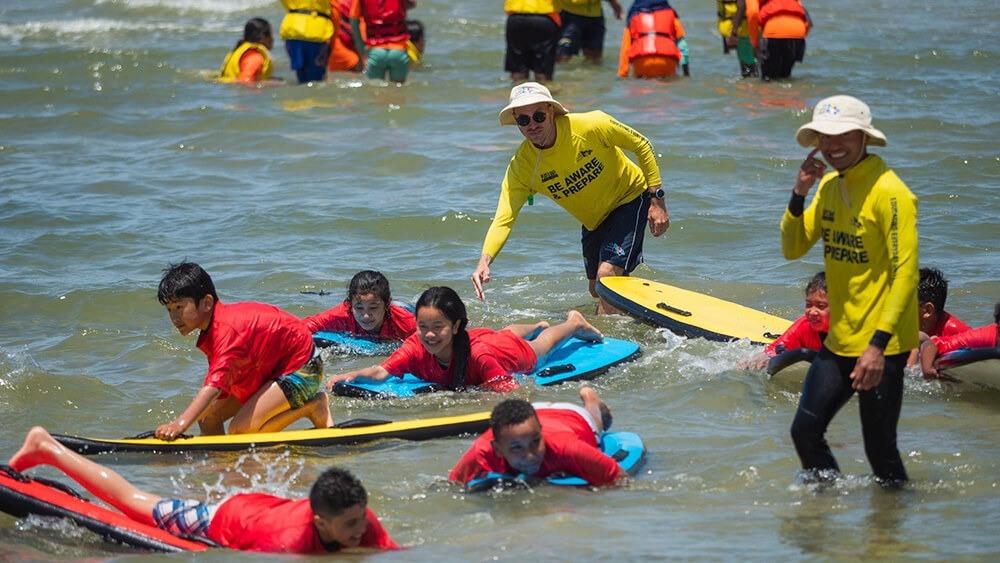
Clubs also deliver critical community engagement and water safety education, particularly for young people through Nippers and other outreach programs.

Beach and Club Patrols
Volunteer Lifesavers
  • 7,500+ qualified volunteers
  • 175,000+ patrol hours annually across 57 lifesaving clubs
  • Qualifications: Trained in Surf Rescue Certificate or Bronze Medallion as a minimum
  • Functions: patrolling, prevention, education, rescues, and inter-agency support
Professional Lifeguards
  • 450+ qualified lifeguards delivering 44,000+ hours annually
  • Deployed at 42 patrol locations, complementing volunteer coverage and addressing weekday and remote area demand
  • Qualifications: Bronze Medallion, First Aid, Advanced Resuscitation, IRB Crew, and Patrol Captain

Core duties include surveillance, rescue, emergency response, and high-risk day coverage. All services are coordinated through LSV’s centralised State Lifesaving Operations Centre (LSVComms).

Aerial Services

LSV’s Aerial Services are a core part of our multi-layered response strategy, focused on surveillance, search and rescue, and prevention.

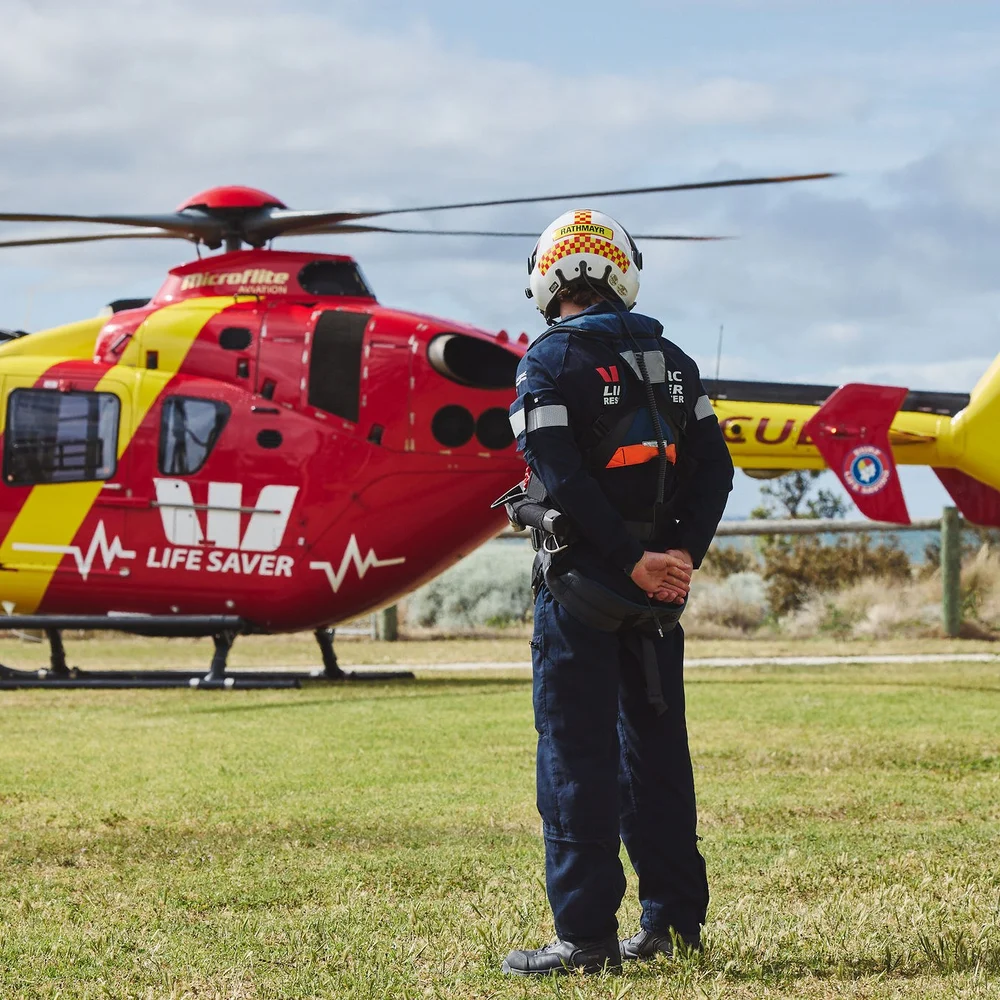
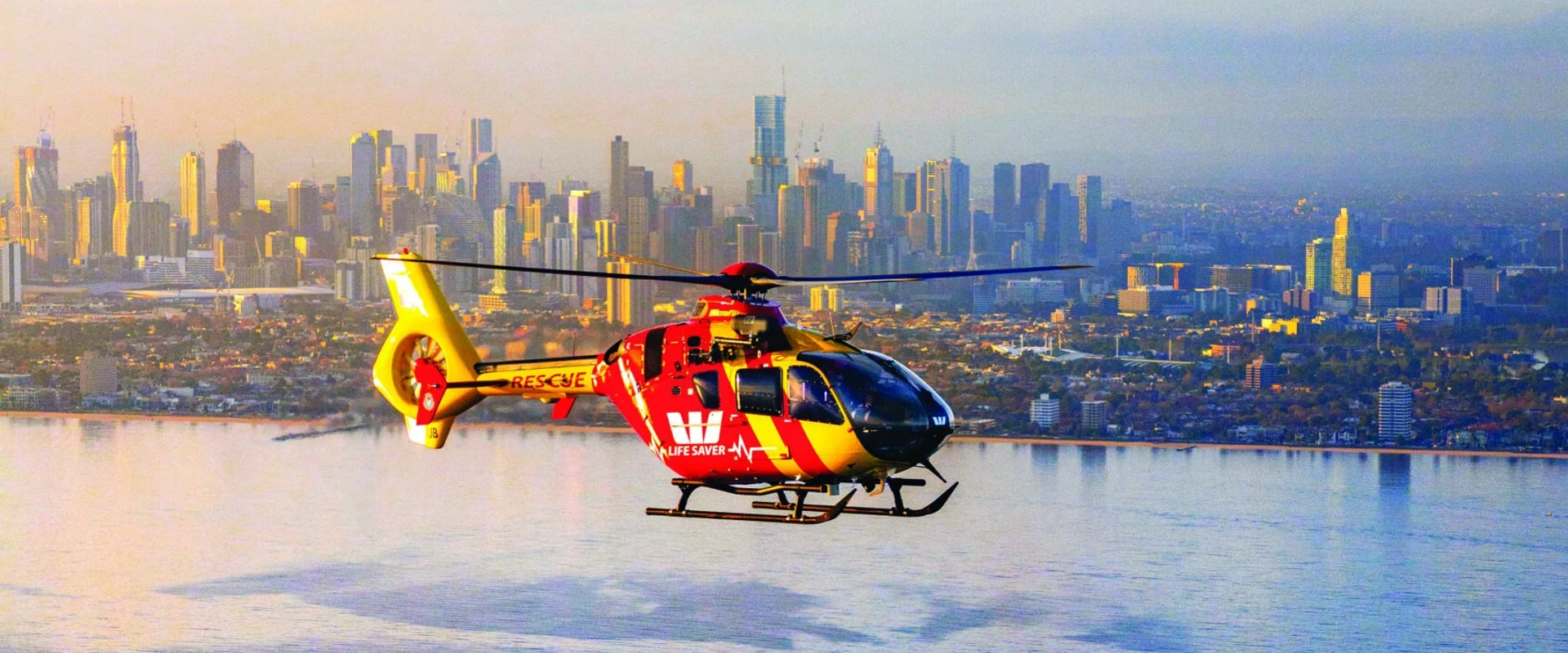
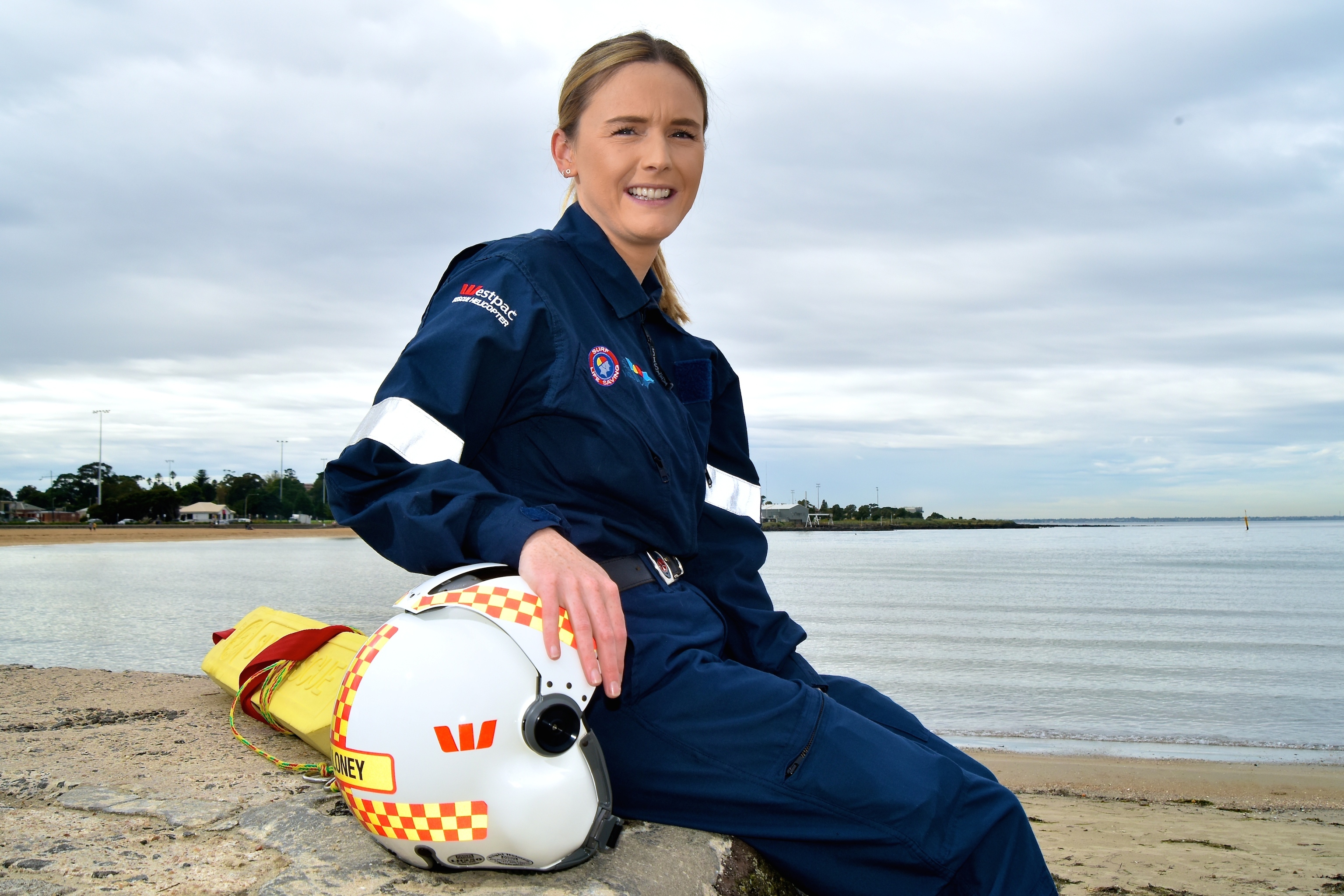
Westpac Lifesaver Rescue Helicopter Service (WLRHS)

  • 2 operational helicopter bases
  • 10+ qualified rescue crew
  • 1,850 member hours annually
  • Operated in partnership with Westpac and Microflite, our Westpac Lifesaver Rescue Helicopters are based strategically to cover high-risk coastal areas.
  • Equipped with advanced imaging systems and trained crew, helicopters support:
    • SAR operations (e.g. missing swimmers, watercraft incidents)
    • Real-time surveillance during peak beach days or mass events
    • Logistics support in remote or inaccessible locations
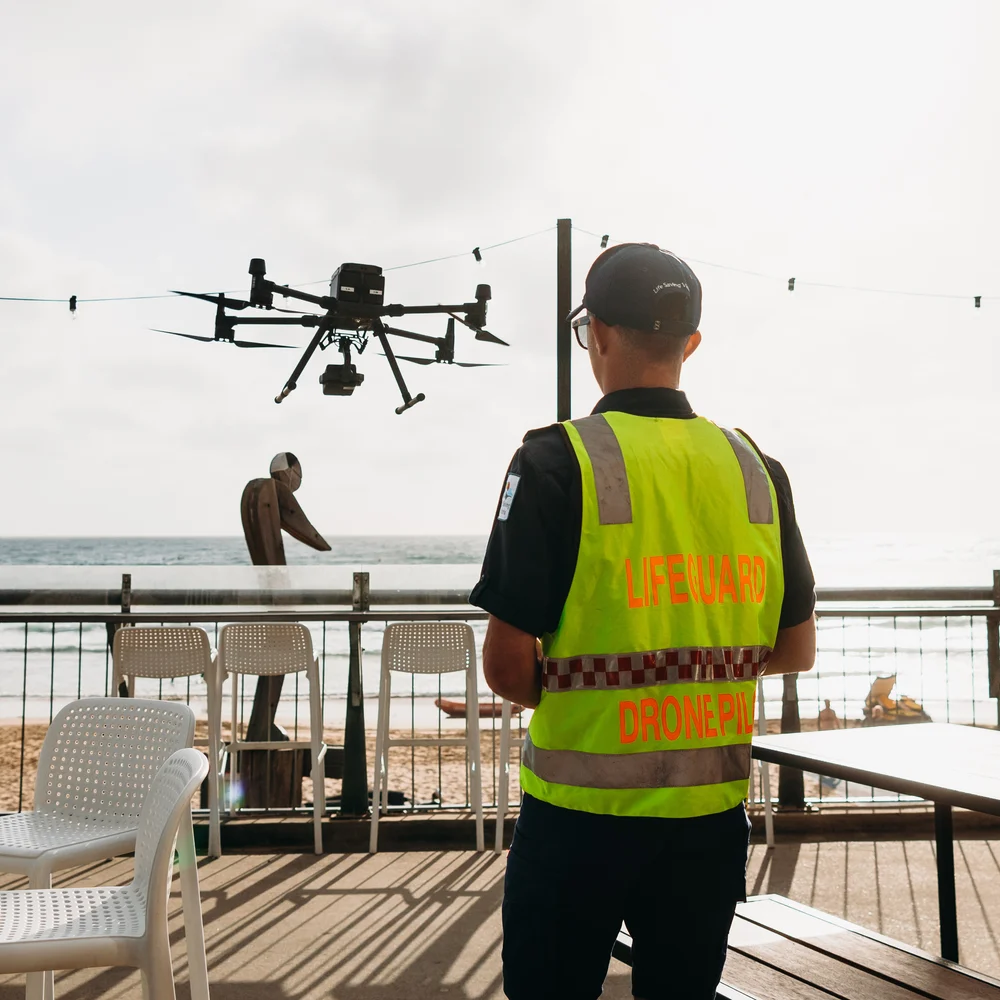
Remotely Piloted Aircraft Systems (RPAS) – Drones


Life Saving Victoria uses drones (RPAS) to help keep people safe around Victoria’s coastline and waterways. Drones give lifesavers an aerial view of conditions that may not be visible from the beach, supporting faster and better-informed responses.

Why LSV uses drones
  • Monitor beach and ocean conditions, including rip currents and surf activity
  • Help locate people in distress during search and rescue
  • Provide real-time situational awareness during patrols
  • Improve safety outcomes during peak periods and high-risk conditions
  • Drones support trained lifesavers — they do not replace them
How operations work
  • Operated only by trained and authorised personnel
  • Used during patrols in line with operational priorities
  • Managed in accordance with aviation, safety, and privacy requirements
  • Deployed for public safety purposes, not general surveillance
Privacy and community reassurance
  • Drones are not used to monitor people unnecessarily
  • Any footage is captured only for approved safety and operational purposes
  • Operations follow strict privacy and data-handling requirements
  • A visible drone indicates lifesavers are using available tools to help keep the community safe
Working with partners
  • LSV’s drone program aligns with national surf lifesaving practice
  • It may support coordinated responses with emergency services and government agencies
What beachgoers should know
  • A drone overhead is focused on safety, not individuals
  • It may be monitoring conditions or assisting lifesavers
  • For help, speak to a lifesaver or call Triple Zero in an emergency

Waterborne Services – RWCs & MSAR

LSV operates a range of waterborne assets, integrated into Victoria’s emergency management (EMV) framework.

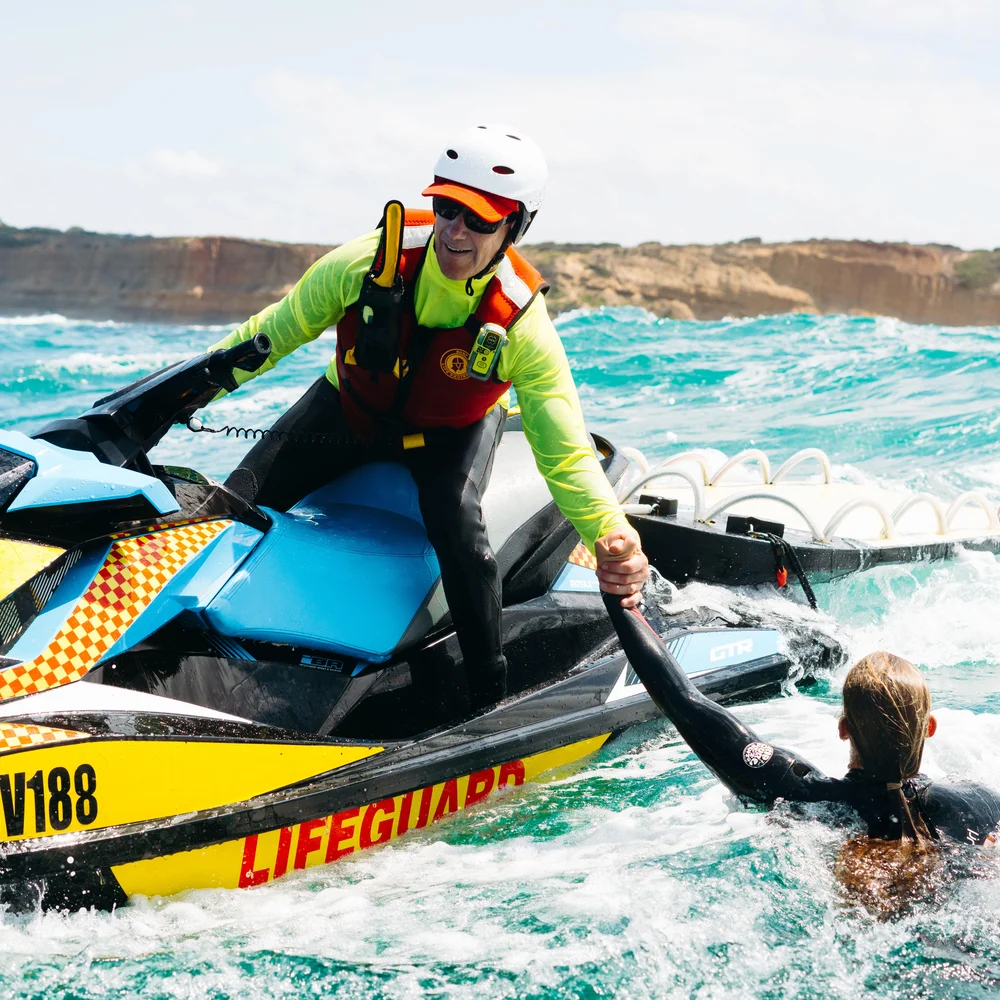
Rescue Water Craft (RWCs)

  • 9 active deployment sites
  • 200+ qualified operators
  • 1,700 hours annually
  • Operating range: up to 15 nautical miles offshore (27.8 kms)
  • Deployed at high-risk sites such as surf beaches and inlets.
  • Used for:
    • Rapid-response rescues beyond break zones
    • Supporting lifeguard patrols during extreme surf conditions
    • Back-up for helicopter and MSAR operations
  • Certifications: RWC Operators Certificate, Bronze Medallion, ARTC, IRB, First Aid

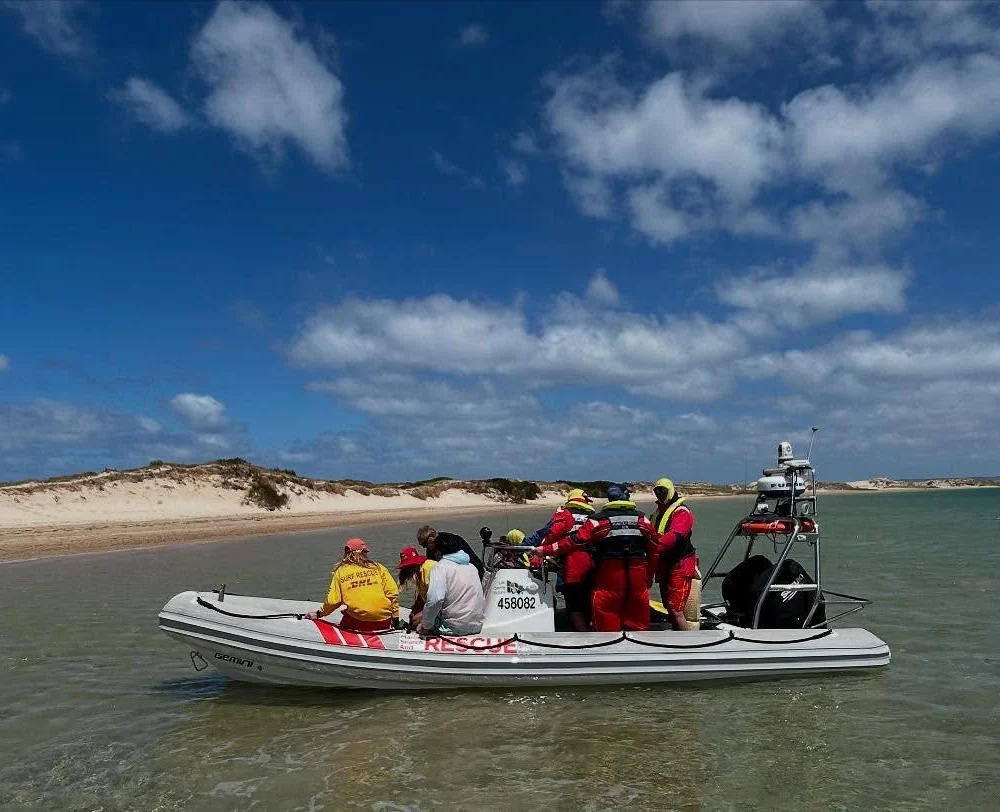
Marine Search and Rescue (MSAR)

  • 1 operational base
  • 10+ qualified crew
  • Coverage: up to 30 nautical miles offshore (55.6 kms)
  • Accredited under Marine Orders 504 and Exemption 24
  • Supports major marine incidents under Victoria Police command

LSV’s waterborne services are a critical asset within the Emergency Management Victoria (EMV) network. We are a formally recognised Support Agency, tasked during search and rescue, flooding, fire support, and disaster events.

State Lifesaving Operations Centre (LSVComms)

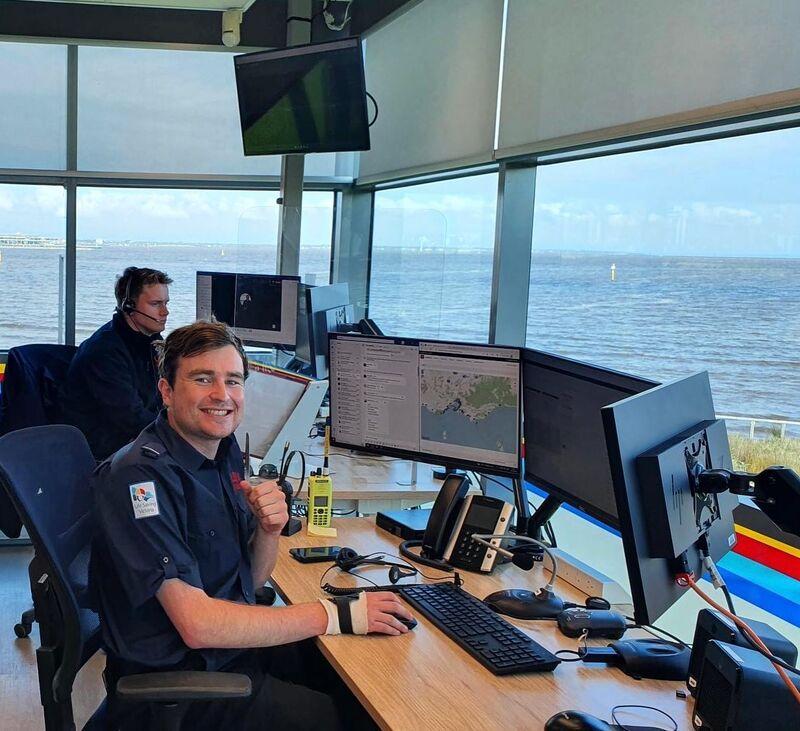
The State Lifesaving Operations Centre (LSVComms) is the nerve centre of Victoria’s aquatic emergency management.

  • 20+ qualified operators with 2,350+ hours annually
  • Responsible for statewide incident coordination and communications (emergency and non-emergency)
  • Operators are trained in LSV Comms, Radio Operator protocols, and major incident workflows
  • Services include:
    • Tasking of helicopters, RWCs, lifeguards and club patrols
    • Logging of all rescues and incidents
    • Real-time coordination with Victoria Police, AV, CFA, SES, and VicEmergency
    • Support for major emergencies including bushfires, floods, and extreme heat events

LSV’s Role in the State Emergency Management Plan (SEMP)

Life Saving Victoria is a Support Agency under Victoria’s State Emergency Management Plan (SEMP).

We support Victoria Police, SES, and other Control Agencies during marine search and rescue, flood events, extreme heat, and major emergencies. Through our State Lifesaving Operations Centre, we provide real-time coordination, deployable assets, and specialist aquatic expertise across coastal, inland, and public water environments.

LSV is a trusted partner in Victoria’s emergency network—ready, trained, and integrated.

Didn't find what you were looking for?

Find it here

Our Partners and Supporters