Staying Water Safe
Staying Water Safe
Water Safety Tips
Children must be actively supervised whenever they are in, on, or near water. Stay within arm’s reach for young children and maintain constant visual contact. Put phones and other distractions away.
Build confidence and capability in the water. Enrol children in swimming and water safety lessons and keep developing skills throughout life. Adults should refresh their abilities regularly.
Always wear a properly fitted lifejacket when boating, fishing, paddling, or when around deep or unpredictable water. Children and weaker swimmers should wear a lifejacket whenever there is a risk of falling in.
Alcohol and water do not mix. Avoid drinking when swimming, supervising children, boating, fishing, or taking part in any water activity. Alcohol reduces coordination, judgement, and reaction time.
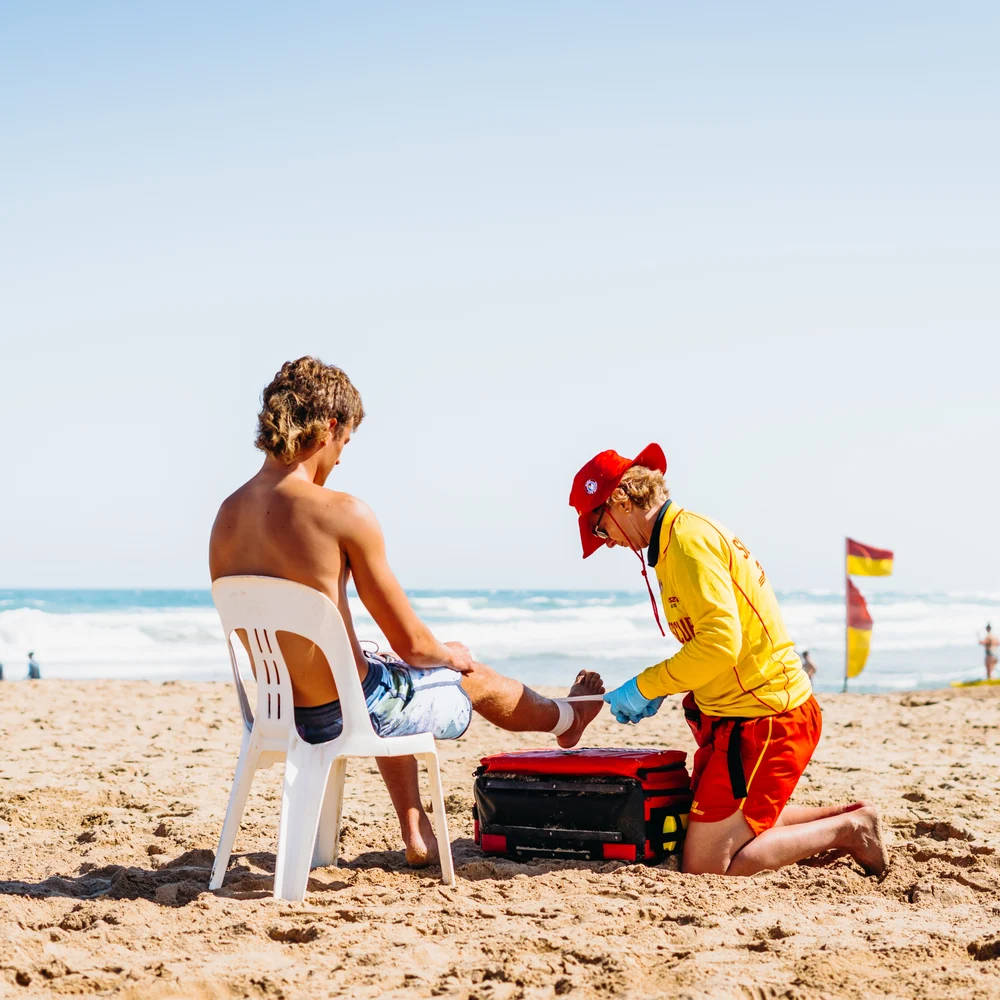
Check signs, tides, weather, and water conditions before entering the water. At the beach, always swim between the red and yellow flags at patrolled locations and follow the directions of lifeguards.
In An Emergency
Safety First
Send for Help
When an aquatic emergency occurs, act fast and call for help immediately.
Your first call could save a life — and getting the right emergency service is critical.
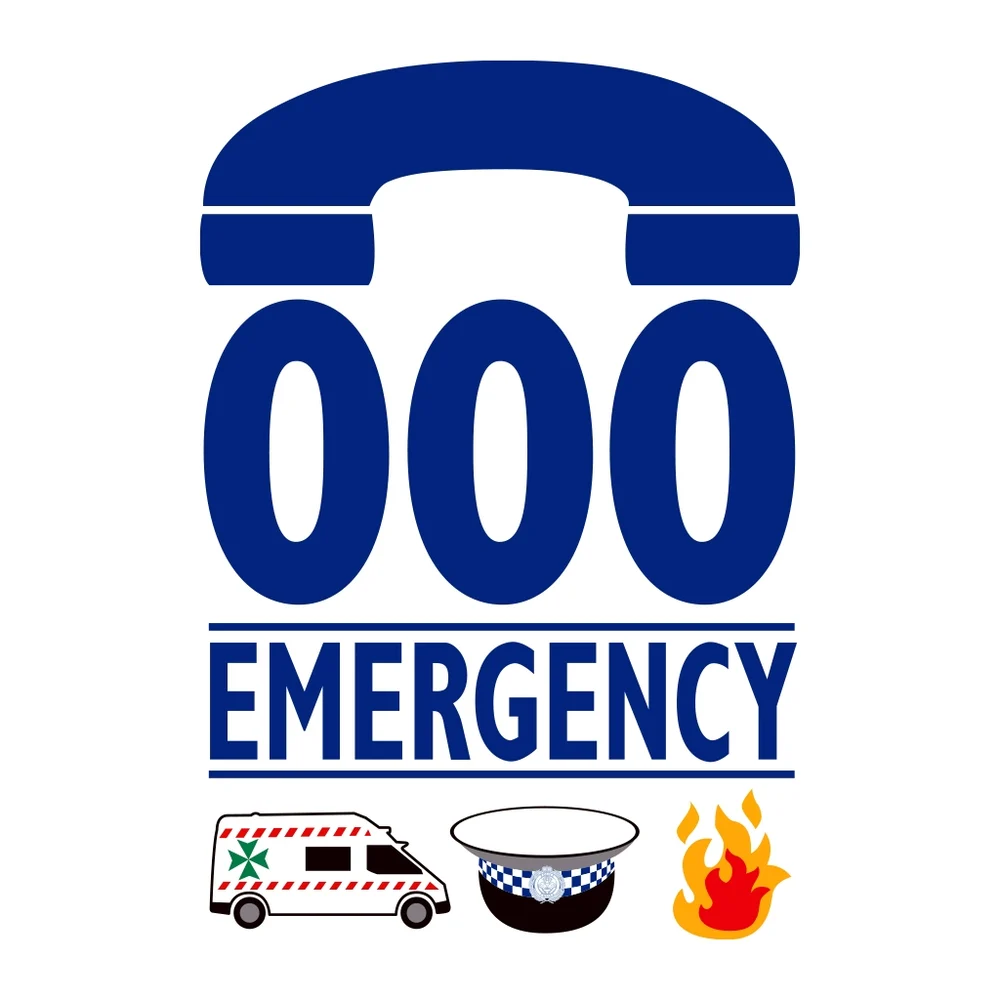
Dial 000 and ask for the Police first if:
- Someone is missing in the water or has not resurfaced.
- The incident is in an open waterway, river, lake, beach, or public area.
- There is risk to others or the situation is unsafe (for example, dangerous currents, vehicles, or crowd hazards).
- You are unsure who to call — the police coordinate search, rescue, and emergency services.
Then ask for an Ambulance if:
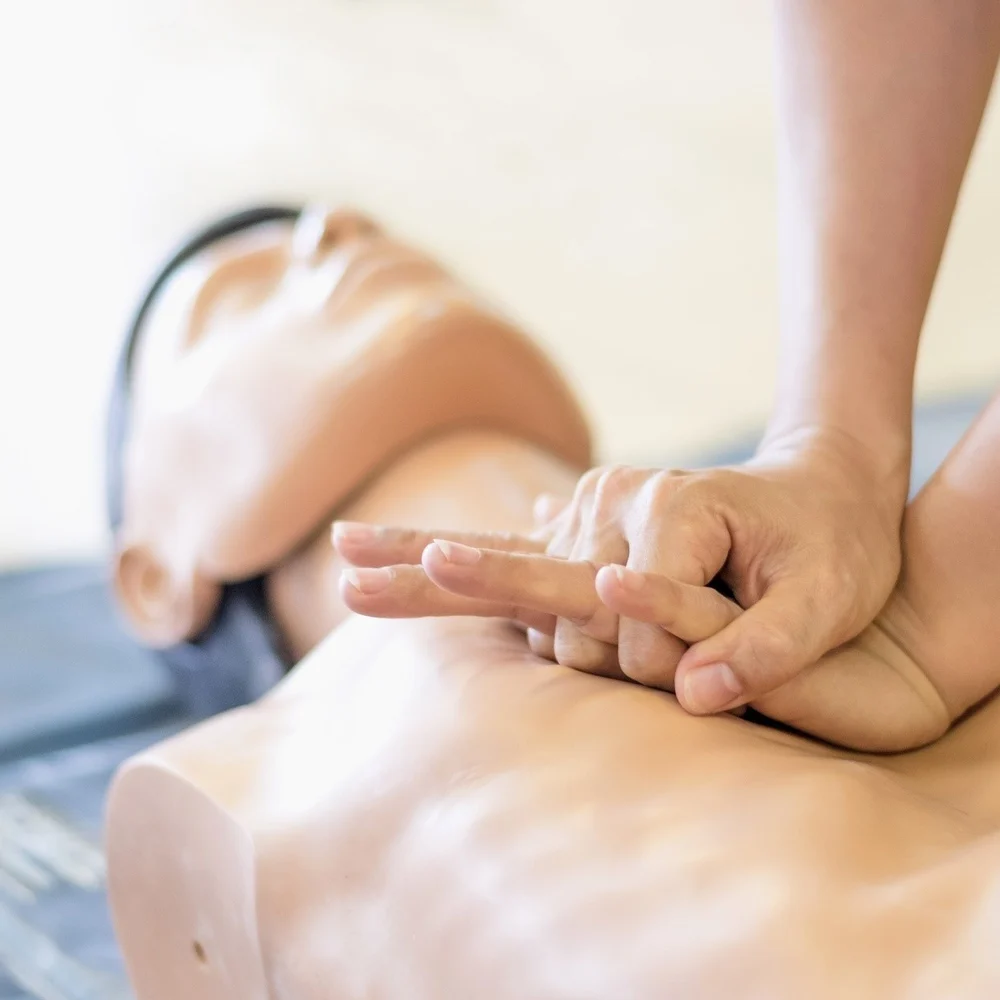
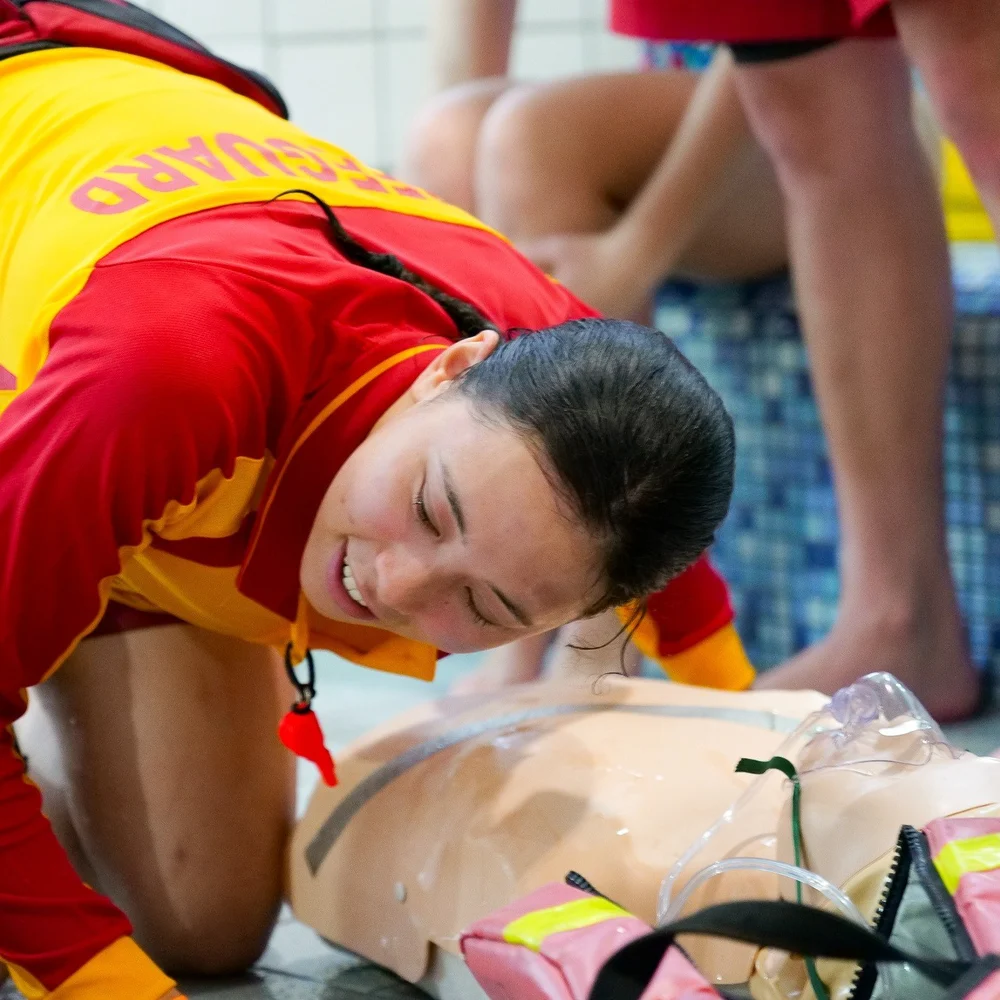
- The person is unconscious, not breathing, or requires CPR.
- There are injuries, water inhalation, or signs of distress such as coughing, vomiting, or struggling to breathe.
- You need urgent medical advice while waiting for help to arrive.
- Your exact location — include the beach name, suburb, or nearest access point.
- What happened and how long ago.
- The number of people involved and their condition.
- Any dangers in the environment (currents, deep water, or hazards).
- Keep your phone on speaker if possible.
- Follow the operator’s instructions carefully.
- Do not hang up until the operator says it’s safe to do so — they can guide you through CPR or other lifesaving actions.
The information on this page provides general first aid guidance only and is not a substitute for accredited training. In an emergency, always call Triple Zero (000) and follow the instructions of emergency services. Life Saving Victoria accepts no responsibility for any loss, injury, or damage arising from reliance on this information.
Safer Places To Swim
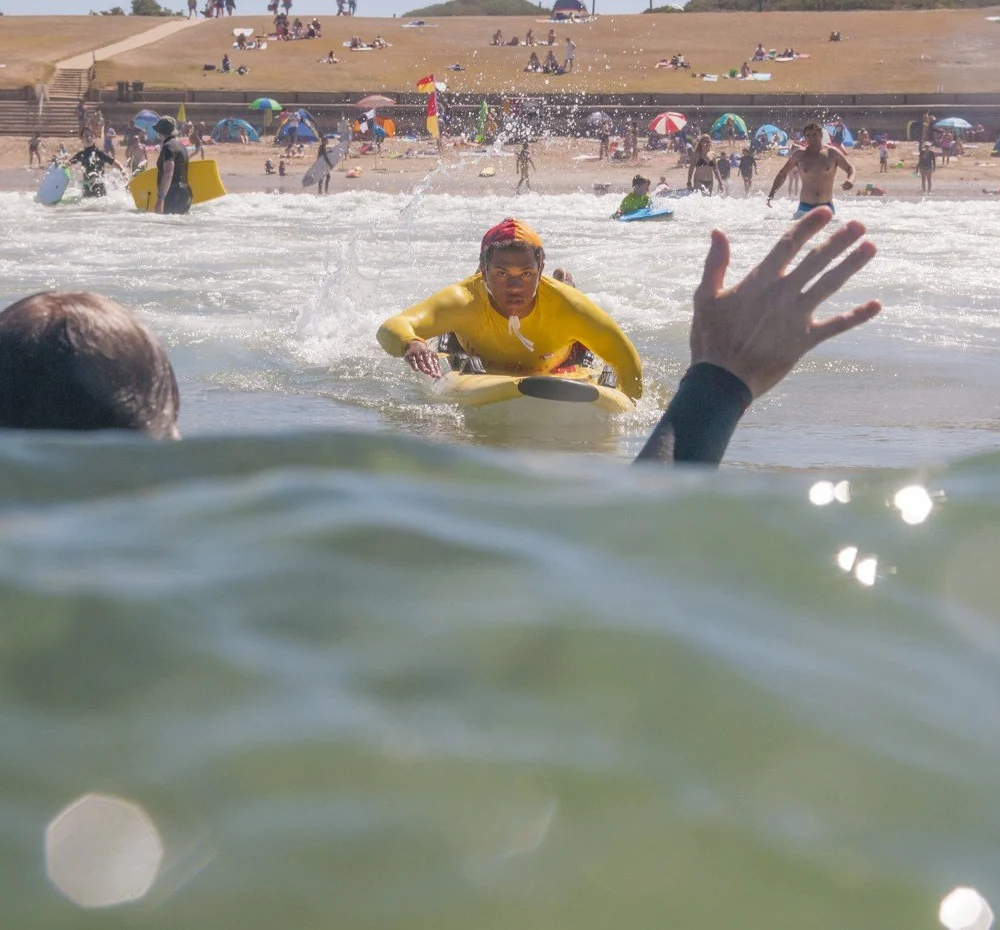
Not all beaches are patrolled by lifeguards in Australia. Staying safe on beaches relies on understanding beach safety protocols and not taking risks by swimming at unpatrolled beaches.
Everyone loves a day at the beach with family and friends, but it is important that everyone knows how to stay safe when visiting Australia’s beaches. Every year many people lose their lives when swimming, surfing, snorkelling or playing in the water.
Between 2002-22, there were an average of 51 unintentional drowning deaths at a beach, each year. (RLSA, 2022)
How to stay safe
- Download the Beachsafe app, swim at a patrolled beach, and between the red and yellow flags
- Look for and read the safety signs
- Recognise hazards and dangers
- Avoid swimming or recreating alone, as no will be able to assist or call for help in an emergency.
- Avoid swimming at night
- Always actively supervise children and keep them within arms’ reach
- Ask the lifeguards/lifesavers for advice about beach conditions
- Do not swim after consuming alcohol and/or drugs
- Do not enter the water if there are doubts about swimming ability
- Protect yourself from sun and stay hydrated by drinking plenty of water
Check Beachsafe to find the closest patrolled beach:
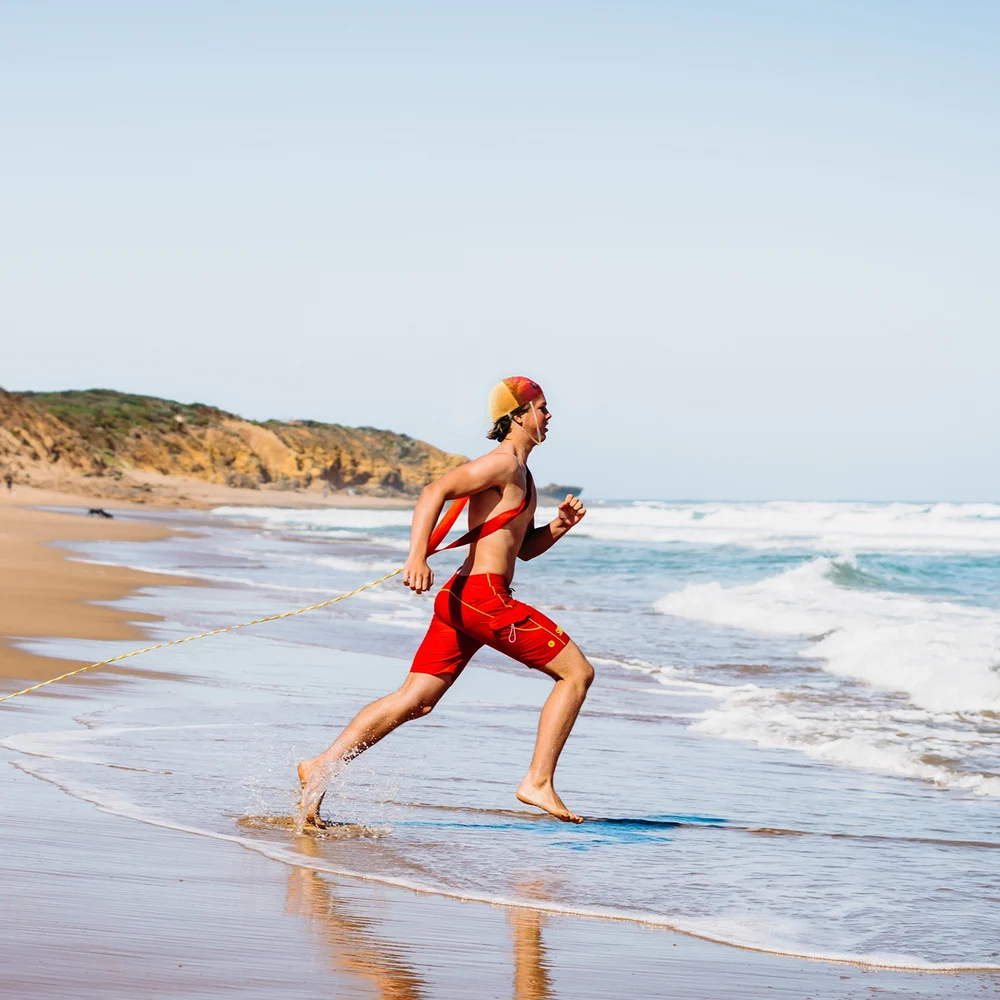
The Red and Yellow Flags on a beach show safe places to swim, and where lifeguards or lifesavers watch people to keep them safe. This is called a patrolled area, and the lifeguards are there to help if you or a family member/friend need help in the water. Not every beach in Australia is patrolled by lifeguards/lifesavers.
If there are no flags on the beach, this means there are no lifeguards/lifesavers on duty and swimming at the beach is not recommended, especially if you are unfamiliar with the area and have limited swimming ability or experience.
Dangers at the beach include rip currents, big waves, shallow sandbanks and marine animals.
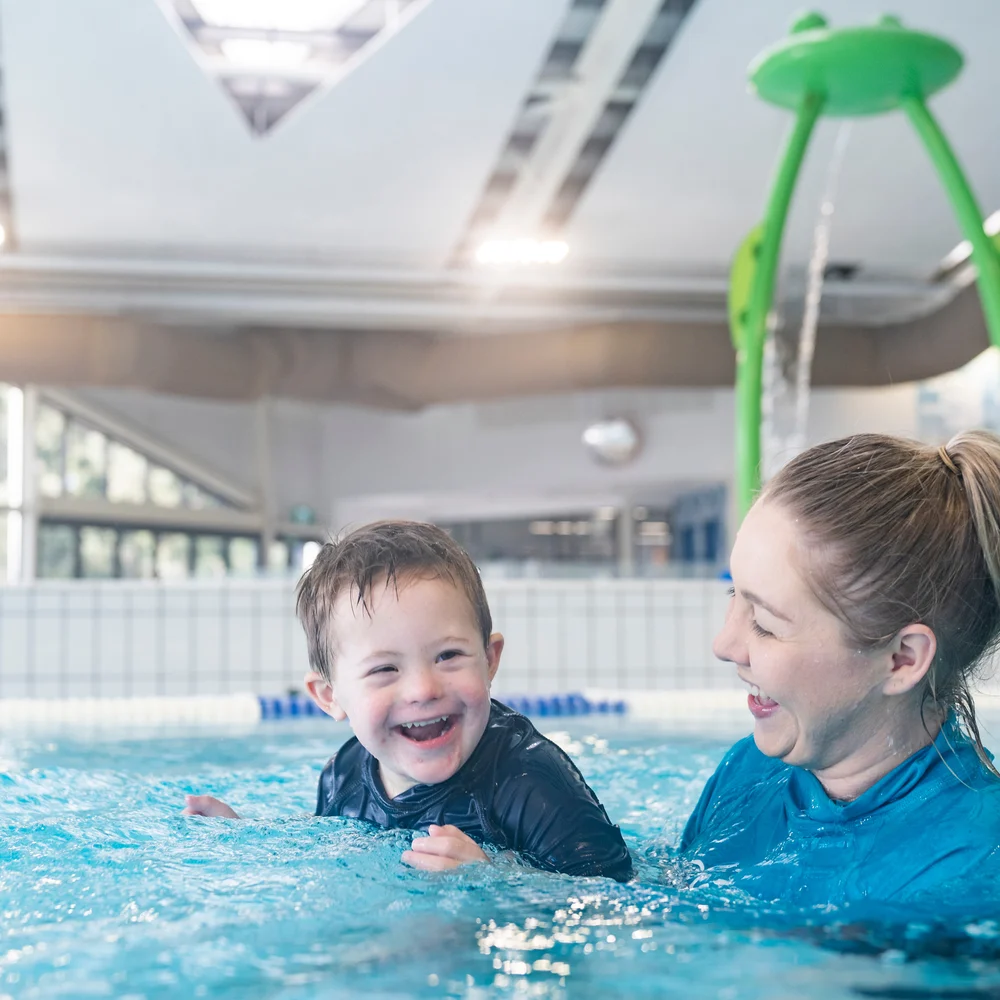


Planning to visit a beach, inland waterway or pool this summer?
Prepare to stay safe around the water. Find your nearest patrolled beach and important water safety information to stay safe this summer.
Discover More about staying water safe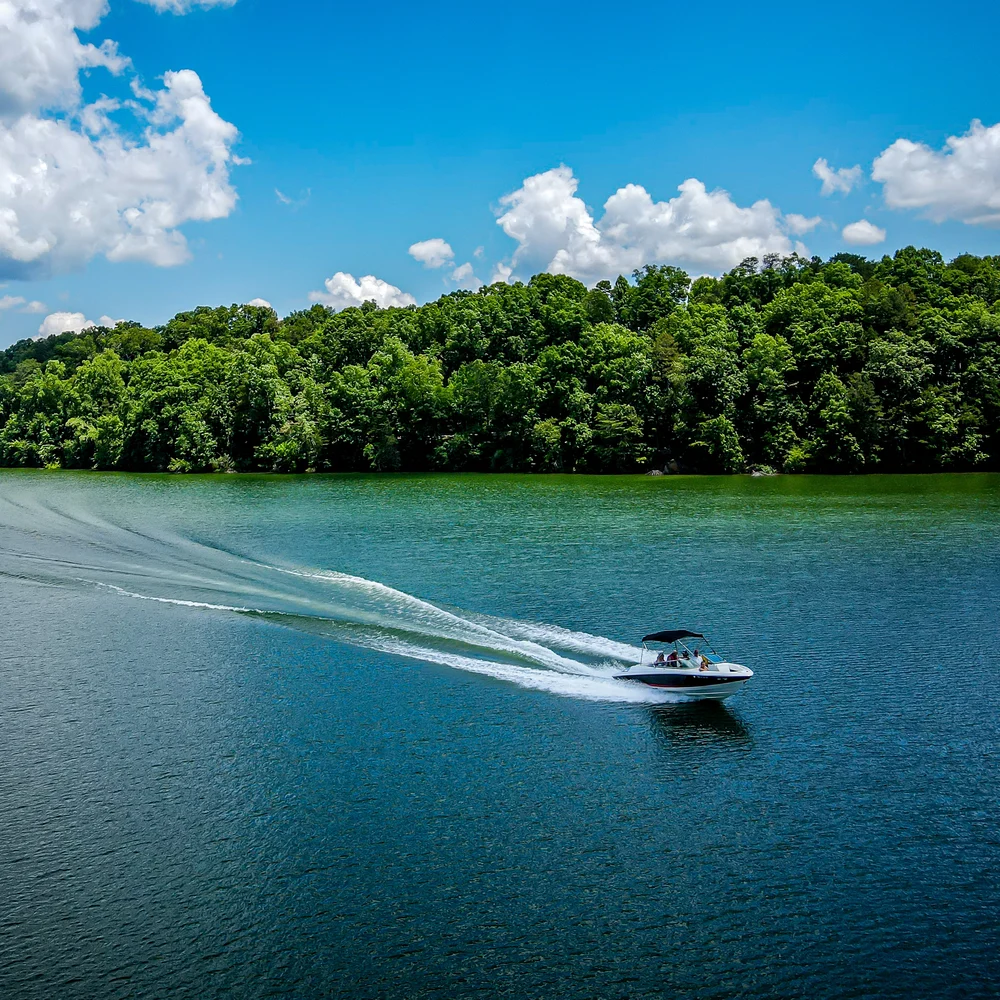
Staying Water Safe
High Risk Activities
Boating is a popular activity on Victoria's waterways. It's important that all boat users keep themselves and their fellow waterway users safe.
Drowning is the leading cause of boating-related fatalities. On average, 49 people drown in Australia every year while using boats and watercraft.
Always wear a lifejacket, check conditions and avoid alcohol and drugs when out on the water.
Find out more about safe boating in Victoria:
Rock fishing is a popular activity in Victoria.
It's also extremely dangerous, even for experienced fishers.
Always wear a lifejacket and equipment such as non-slip shoes, check conditions and always fish with a friend.
Find out more about how to stay safe while rock fishing:
Diving and snorkelling are popular activities, but can be potentially dangerous.
There has been marked increase in diving and snorkelling-related deaths in past years, so it's vital everyone takes precautions to stay safe.
Always dive and snorkel with a buddy, check conditions, read safety signs, use equipment that's fit-for-purpose and ensure you're medically fit for planned activities.
Find out more about diving and snorkeling safety:

Staying Water Safe
High Risk Communities
People from multicultural communities are over-represented in drowning statistics, often due to limited swimming experience or unfamiliarity with local water conditions.
It’s important to learn basic swimming and water safety skills, understand safety signs, and seek advice from lifeguards or trusted community leaders.
Always swim at patrolled locations, stay within your ability, and take extra care when visiting new or unfamiliar waterways.
Older adults can be at greater risk around water due to reduced mobility, balance, and medical conditions.
Check your health before entering the water, avoid swimming alone, and choose calm, supervised locations.
Use steps and rails, enter slowly, and let lifeguards or companions know if you have any medical concerns.
Children are curious, unpredictable, and can get into difficulty quickly.
Always supervise them closely, stay within arm’s reach of young children, and teach them basic water safety early.
Build their skills and confidence through age-appropriate lessons and safe play in supervised environments.
People living with disability may face extra risks around water due to mobility, sensory, communication, or medical factors. Planning ahead and having the right support in place is essential for safe participation.
Always swim with a trusted support person, choose facilities with accessible features, inform lifeguards of any needs, and use appropriate flotation or mobility aids where required.
Regional and remote communities often have limited access to swimming facilities, patrols, and local water safety information.
Check conditions carefully, avoid isolated water bodies, and build skills through local programs whenever possible.

Staying Water Safe
High Risk Factors
Facts
- Alcohol and drugs are major contributors to drowning in Victoria.
- Impaired judgement, slower reaction times, and reduced coordination increase the risk of slips, falls, and sudden submersion.
- Many alcohol-related drownings occur close to the water’s edge — not during intentional swimming.
Safety Guidance
- Avoid alcohol and drugs before or during any water activity, including swimming, fishing, boating, and using inflatables.
- Always nominate a sober adult to supervise children and watch mates.
- If you have been drinking, stay out of the water — even shallow water is dangerous when impaired.
- Plan ahead: arrange safe transport home and avoid waterways altogether if substances are involved.
Key Facts
- Many drowning incidents begin with an unexpected fall into water rather than intentional swimming.
- Slippery surfaces, unstable ground, alcohol, and distraction all increase the likelihood of accidental entry.
- Unintentional falls often catch people off-guard, leading to panic, inhalation of water, and difficulty recovering—especially for weak or non-swimmers.
- Toddlers, older adults, and people with impaired mobility or balance are at significantly higher risk.
Safety Guidance
- Take care around the edges of pools, rivers, lakes, and rock platforms—surfaces may be wet, uneven, or unstable.
- Walk, don’t run, near water; wear appropriate footwear with good grip.
- Supervise children closely, especially near unfenced or natural water.
- Avoid distractions (e.g., phones) when walking close to water or supervising others.
- Stay well back from the edge in high-risk locations such as riverbanks, flooded areas, or coastal rock platforms.
- If you fall in unexpectedly, try to remain calm, float on your back, and signal for help.
Key Facts
- Many drowning incidents involve people with medical conditions such as heart disease, epilepsy, diabetes, respiratory illness, and cognitive impairment.
- Medical episodes in or near water can escalate rapidly, giving little time to react.
- Some medications can increase fatigue, dizziness, or confusion, reducing a person’s ability to stay safe in the water.
Safety Guidance
- Seek medical advice before swimming if you have a condition that may affect your safety.
- Always swim with someone who is aware of your condition and knows how to respond in an emergency.
- Choose safe, controlled aquatic environments, such as public pools with lifeguards.
- Avoid deep or challenging water, strong currents, or sudden temperature changes.
- Carry required medication (e.g., asthma reliever, glucose) and keep it close to the water’s edge.
- If you feel unwell, stop immediately, exit the water, and seek help early.
Key Facts
- Floods, storms, and flash flooding are a leading cause of drowning during severe weather events.
- Most flood-related deaths occur in vehicles when people attempt to drive through moving or hidden water.
- Fast-moving floodwater can sweep away cars, uproot trees, and hide debris, drop-offs, or damaged roads.
- Drowning risk increases during heavy rain, poor visibility, and unexpected water level rises.
Safety Guidance
- Never drive, ride, or walk through floodwater — it is impossible to know its depth, flow, or what lies beneath.
- Follow emergency warnings, avoid unnecessary travel, and stay away from swollen rivers, drains, and creek crossings.
- Move to higher ground early if flooding is possible and keep updated via VicEmergency.
- Secure loose items, avoid outdoor water activities during storms, and seek shelter from lightning and strong winds.
- After floods, stay clear of contaminated water and unstable banks or structures.
Key Facts
- Rips are the leading hazard on Australia’s beaches and are involved in most coastal drowning deaths.
- Rips can move faster than an Olympic swimmer, pulling people away from shore unexpectedly.
- Many people don’t recognise a rip — they often appear as calm, deeper, or darker gaps between breaking waves.
Safety Guidance
- Always swim at patrolled beaches between the red and yellow flags, where lifeguards actively monitor for rips.
- Before entering the water, stop and check for rip currents — look for deeper channels, darker water, or a gap in breaking waves.
- If you are caught in a rip: stay calm, float to conserve energy, and raise your hand for help.
- Do not try to swim directly against the rip. Swim parallel to the shore towards breaking waves or white water, then head back in safely.
- Never enter the water to rescue someone caught in a rip — call 000, alert lifeguards, or throw a flotation aid instead.
Facts
- Sudden immersion in cold water can cause an involuntary gasp, hyperventilation, and rapid loss of muscle control.
- Cold water significantly increases the risk of drowning, even for strong swimmers.
- Many Victorian waterways — including bays, rivers, and alpine lakes — remain cold year-round.
Safety guidance
- Enter cold water slowly to allow your breathing and body to adjust.
- Wear a wetsuit or thermal protective clothing when swimming, paddling, diving, or boating in cold conditions.
- Always supervise children closely around cold water and avoid swimming alone.
- If you fall into cold water, try to stay calm, float, and focus on controlling your breathing before attempting to swim.
Key Facts
- Fast-moving water can knock an adult off their feet in as little as 20–30 cm of depth.
- Most flood and river-related drownings occur when people underestimate the speed and force of moving water.
- Cold temperatures, submerged hazards, and unstable banks increase the risk of being swept away.
Safety Guidance
- Stay out of fast-moving water — do not enter creeks, rivers, or drains during or after heavy rain.
- Keep well back from the edge of swollen rivers, flooded drains, and spillways; banks can collapse without warning.
- Never attempt to swim, wade, or rescue someone in swift water — call 000 for specialist help.
- When travelling, avoid areas known for flash flooding or fast-flowing waterways during extreme weather.