Aquatic Risk & Safety Services

Inland Waterway Safety Services

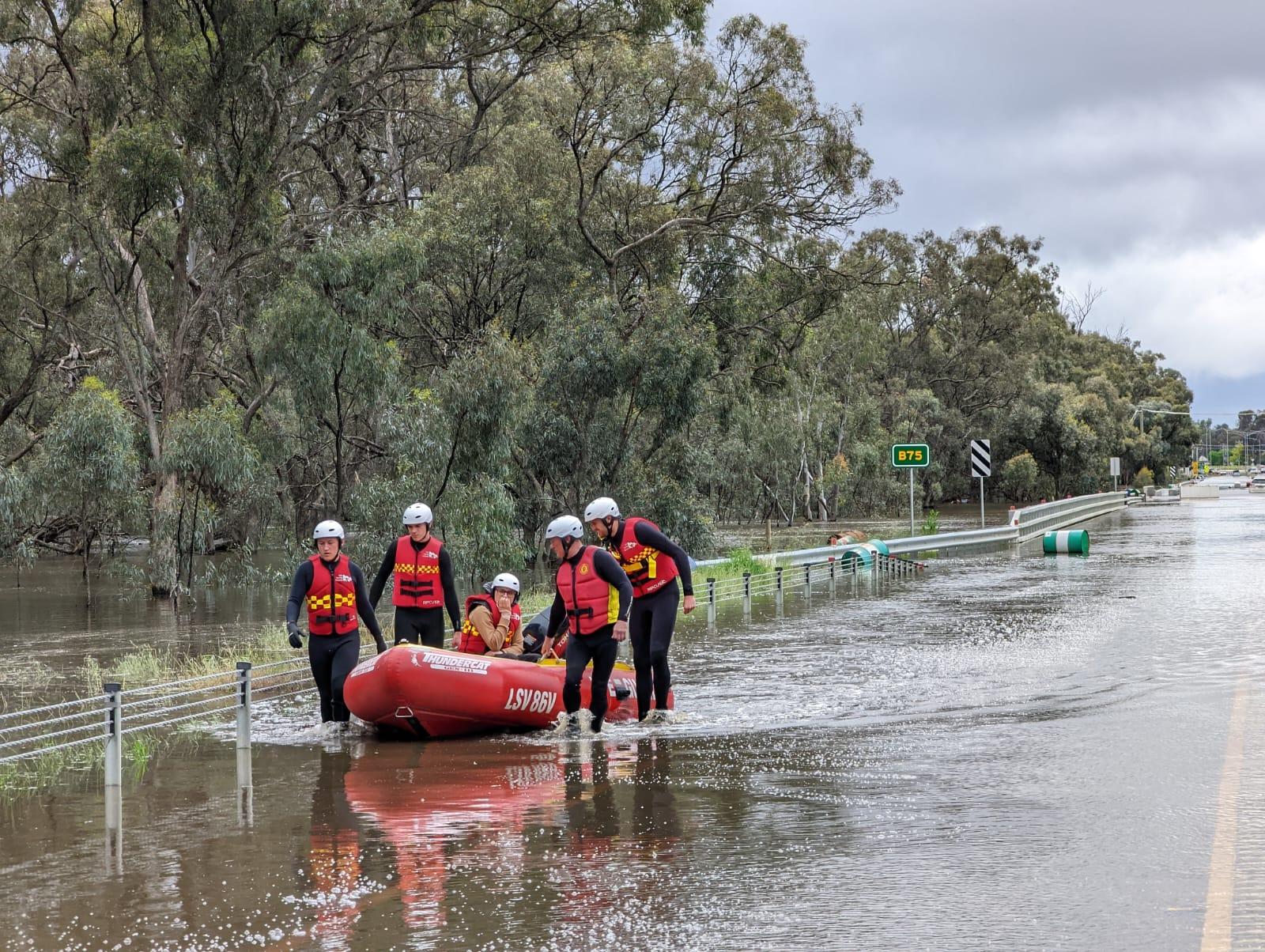
Inland waterways are consistently one of the leading locations for fatal and non-fatal drowning deaths in Australia.

From rivers and lakes to dams and creeks, these unique and complex environments pose an inherent and ongoing risks to community safety. These risks, combined with increasing visitation and varying levels of supervision, demand a proactive and coordinated approach to safety planning. 

Inland Waterway
Safety Services
Local Drowning Profiles

A local drowning profile is the first step in understanding inland waterway safety. It provides a structured analysis of current circumstances and risks, helping to inform future planning, investment and prevention strategies. Each profile includes:

  • A review of available visitation and accident/incident data and patterns.
  • Identification of key aquatic locations, users and activities.
  • Analysis of local drowning risk and key contributing factors.

This evidence-based approach supports a deeper understanding of the unique local context and promotes informed, coordinated actions to reduce drowning risk while supporting safe, active recreation around inland waterways.

Risk Assessments

Risk assessments include the identification, analysis, evaluation and treatment of risks at a specific inland environment. In line with best practice principles these assessments consider environmental conditions, user behaviours and activities to assist land and waterway managers understand and manage risk. Risk assessments include:

  • Alignment with national drowning prevention and risk management models/principles.
  • Consideration of recognised Australian and Victorian Water Safety Strategies.
  • Customisation to the site-specific environmental, usage and activity factors.
  • Empowering land and waterway managers to understand and provide safe aquatic environments.
Signage Assessments

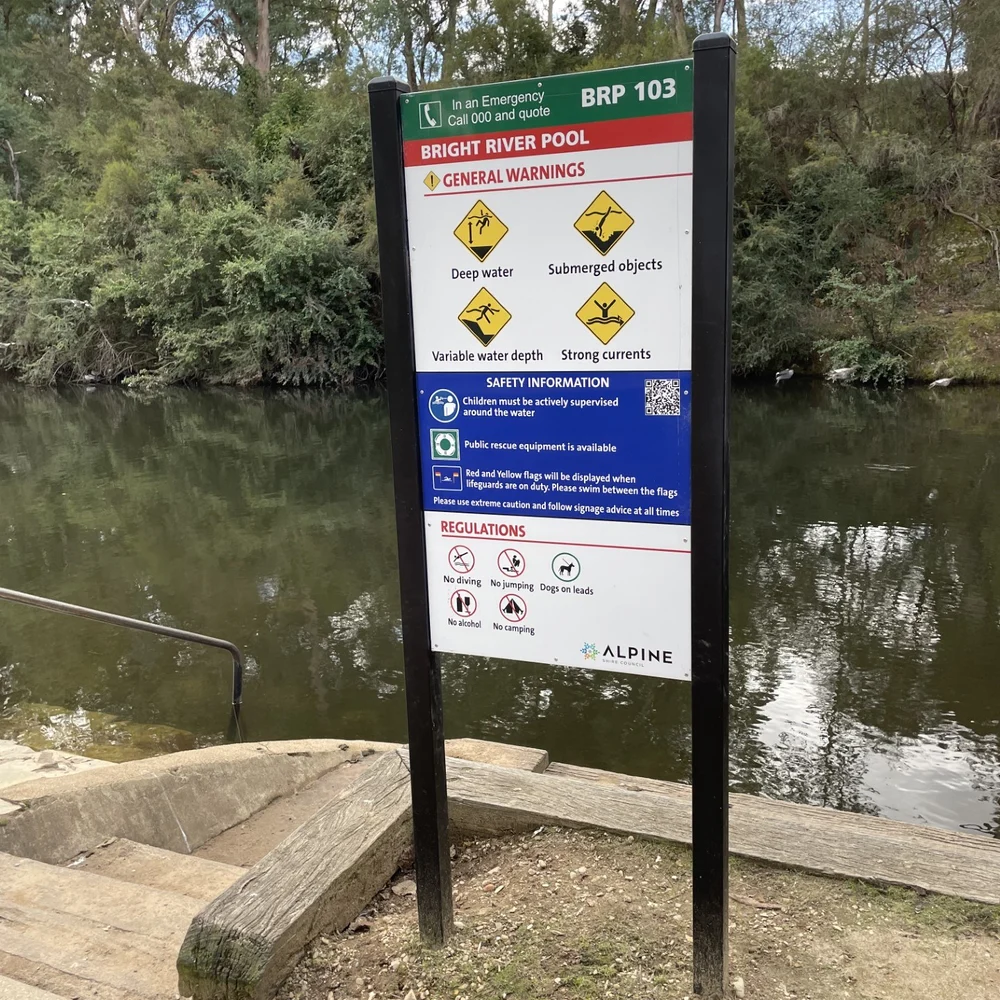
Signage Assessments provide a comprehensive review of aquatic safety and emergency warning signage to ensure compliance with recognised standards and best practice in drowning prevention.

Signage is a recognised communication and risk treatment tool, and is often the focus of critical incident investigations, making accurate, compliant and consistent provisions essential. Each assessment includes:

  • Review of access and egress aquatic safety signage design and installation.
  • Assessment of signage across all aquatic areas and unique features.
  • Review of land and waterway manager by-law provisions.
  • Clear identification of current compliance and improvement opportunities.

In addition to assessments, LSV offers a safety signage design, manufacture, and delivery service to ensure signage meets community needs and compliance obligations.

Safety Assessments

An Inland Waterway Safety Assessment is a comprehensive evaluation of safety systems including policies, procedures, signage, equipment and emergency response plans.

An assessment helps land and waterway managers and other responsible agencies:

  • Identify current water safety provisions and best practice opportunities.
  • Understand local environmental, activity, user and operational risks.
  • Receive practical and prioritised risk treatment recommendations.
  • Proactively address safety before incidents occur.

These assessments enable land and waterway managers to demonstrate due diligence through the engagement of an independent, expert perspective and better support safer public access to Victorian inland waterways.

Local Waterway Safety Plans

A Local Waterway Safety Plan is a comprehensive plan coordinating actions for drowning prevention and water safety at inland aquatic environments.

Developed in line with the best practice water safety, drowning prevention, emergency preparedness and community engagement provisions, each plan is tailored to the local aquatic context and created in collaboration with key community, government and emergency service stakeholders. Key benefits include:

  • Clearly structured and evidence-based direction for improving water safety.
  • Identification of local context, risk assessments and improvement opportunities.
  • Improved coordination across government, industry and community stakeholders.
  • Enhanced support for vulnerable and at-risk populations.
A specialised approach to inland waterway

Drowning Prevention

LSV uses a systems-based approaches to reducing drowning deaths and improving safety standards at inland waterways. Additionally, recognised risk management principles are applied and preventative actions based on the internationally recognised drowning prevention chain.

LSV collaborate with government, emergency service organisations, water safety agencies, land and waterway managers, and communities for key activities. In doing so, we design adaptive and sustained strategies that improve safety, underpinned by industry leading research and supported by a coordinated and cohesive approach and high levels of community engagement.

Royal Life Saving Australia's

Guidelines for Inland Waterway Safety

The Royal Life Saving Australia (RLSA) Guidelines for Inland Waterway Safety offer practical risk management advice to land and waterway managers. 

The guidelines are intended to respond to the high drowning risk associated with inland waterways through a research based best practice approach to aquatic safety and drowning prevention.

Looking for something else?

Discover