Aquatic Risk & Safety Services
Coastal Safety Services
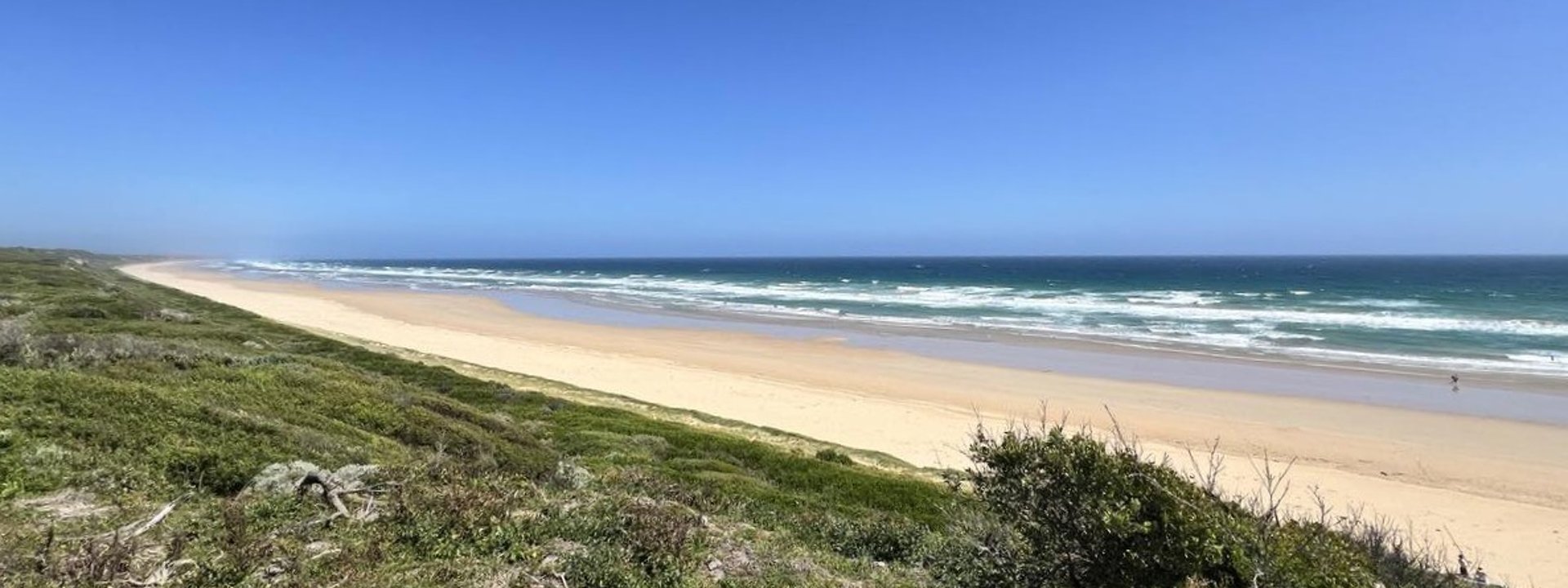
LSV delivers tailored coastal risk management and consultancy for land and waterway managers. Our services are grounded in research and aligned with recognsied best practice in coastal safety and risk management.
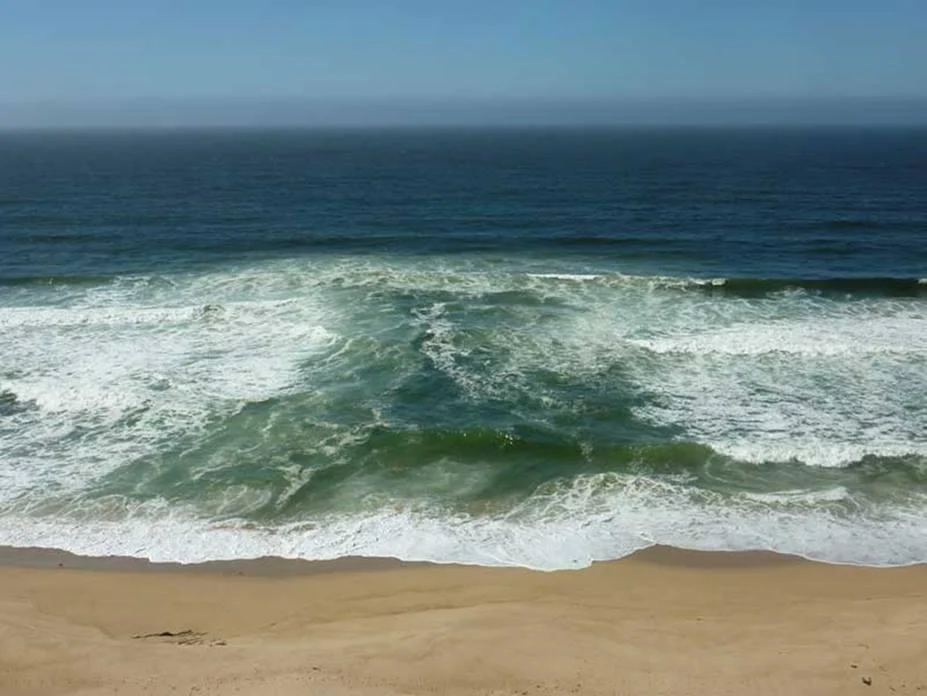
Beaches, headlands, and foreshore areas are exposed to changing conditions such as rips, tides, swells and erosion. These hazards, combined with high visitation and varying levels of supervision, demand a proactive and coordinated approach to safety planning.
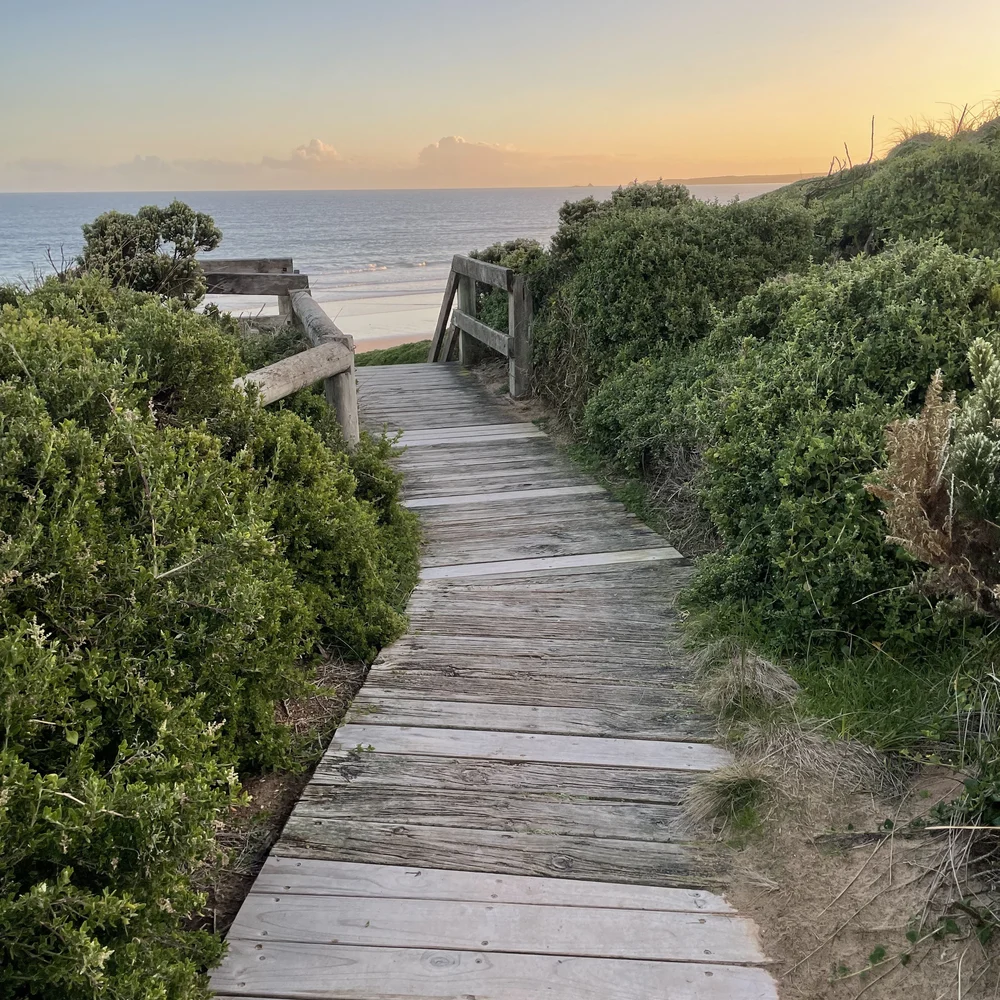
Local Drowning Profiles
A local drowning profile is the first step in understanding coastal waterway safety. It provides a structured analysis of current circumstances and risks, helping to inform future planning, investment and prevention strategies. Each profile includes:
- A review of available visitation and accident/incident data and patterns.
- Identification of key aquatic locations, users and activities.
- Analysis of local drowning risk and key contributing factors.
This evidence-based approach supports a deeper understanding of the unique local context and promotes informed, coordinated actions to reduce drowning risk while supporting safe, active recreation around coastal waterways.
Public Rescue Equipment
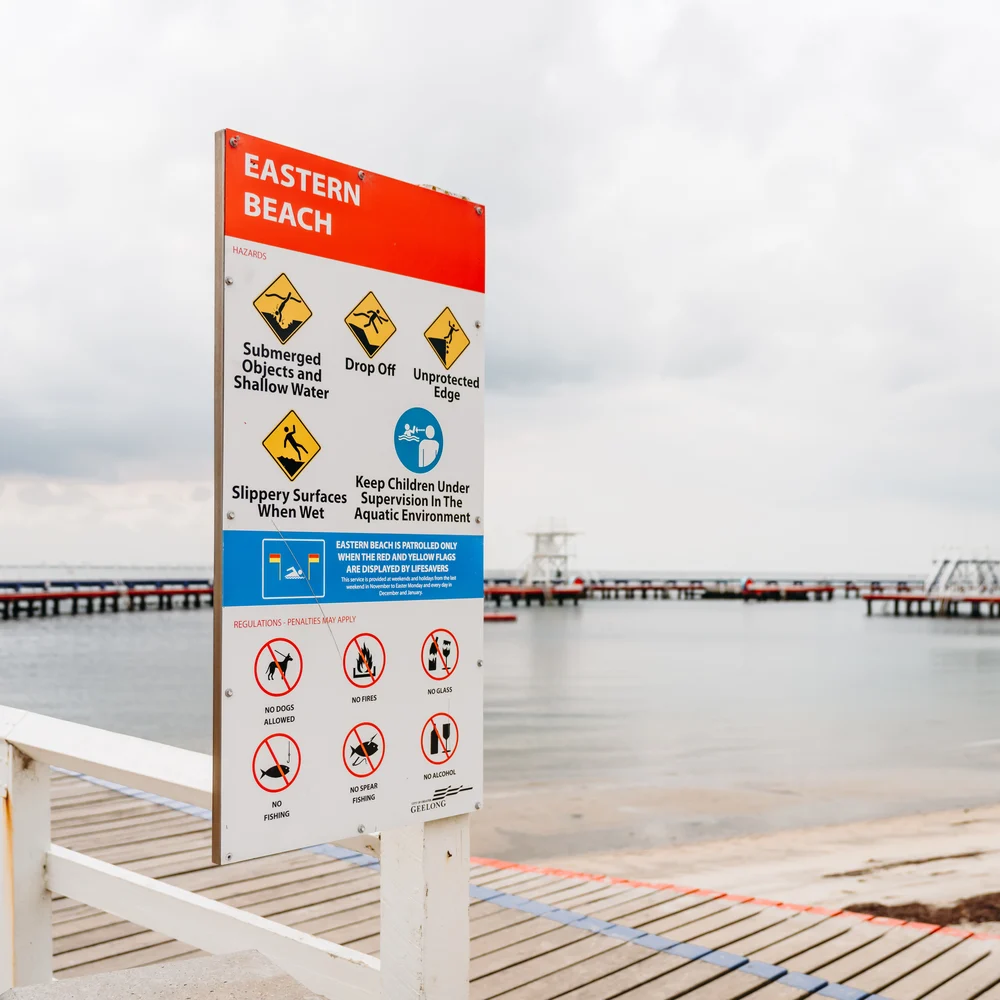
Public rescue equipment, such as rescue tubes, throw ropes, and emergency call points, provides vital early intervention capability - particularly in unsupervised and/or high-risk environments. Its presence is often referenced in coronial inquests and incident reviews as a reasonably practical risk treatment provision.
A Risk Assessment is the critical first step in determining the need for and design/installation details of appropriate public rescue equipment.
The Risk Assessment will identify the environment specific risks, usage patterns, and activity levels - guiding decisions on what equipment is required, where it should be placed and what support resources will be the most effective.
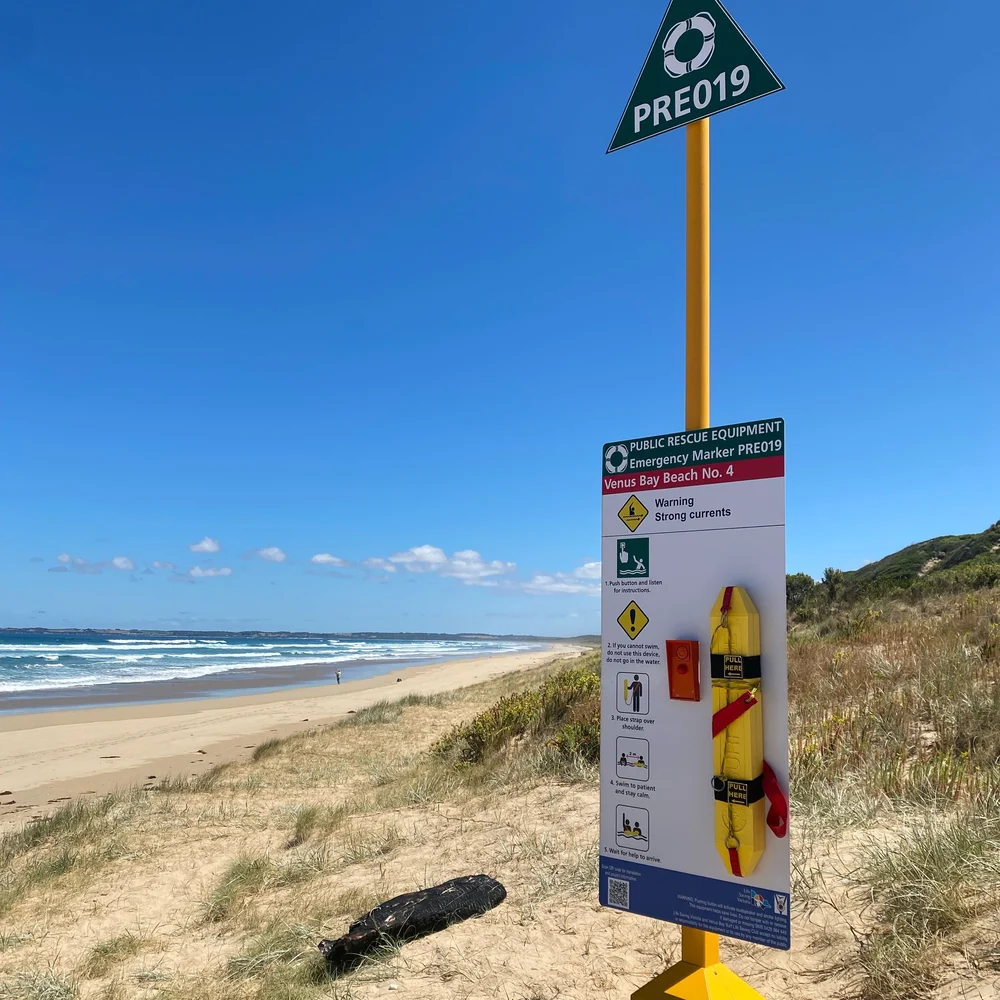
In response to the high inherent risk identified through a Risk Assessment, LSV partnered with South Gippsland Shire Council and Venus Bay Surf Life Saving Club to implement a comprehensive public rescue equipment strategy across key locations. Key features of the initiative included:
- Rescue equipment and instructional signage installed at each beach access point.
- Emergency call points linked directly to Triple Zero (000).
- Emergency markers to support rapid response from emergency services.
- Community education to ensure public understanding and empower safe use.
This system has already supported real-world rescues, including a case where a 13-year-old successfully used the equipment to save two swimmers in distress, days after the equipment was installed.
In partnership with local land and waterway managers, LSV provides support to ensure public rescue equipment is properly implemented and integrated into local emergency response systems.
- Equipment selection/placement - Guided by site-specific risk assessments/profiles.
- Signage and emergency markers - Designed to guide bystanders and aid emergency services.
- Integration with emergency services - Including call point setup and response coordination.
- Maintenance planning and tools - Checklists and support for inspections, servicing and replenishment.
- Training and public awareness - Resources for lifesaver training and community engagement.