From Late Starter to Lifesaving Leader
Lifesaving Sport
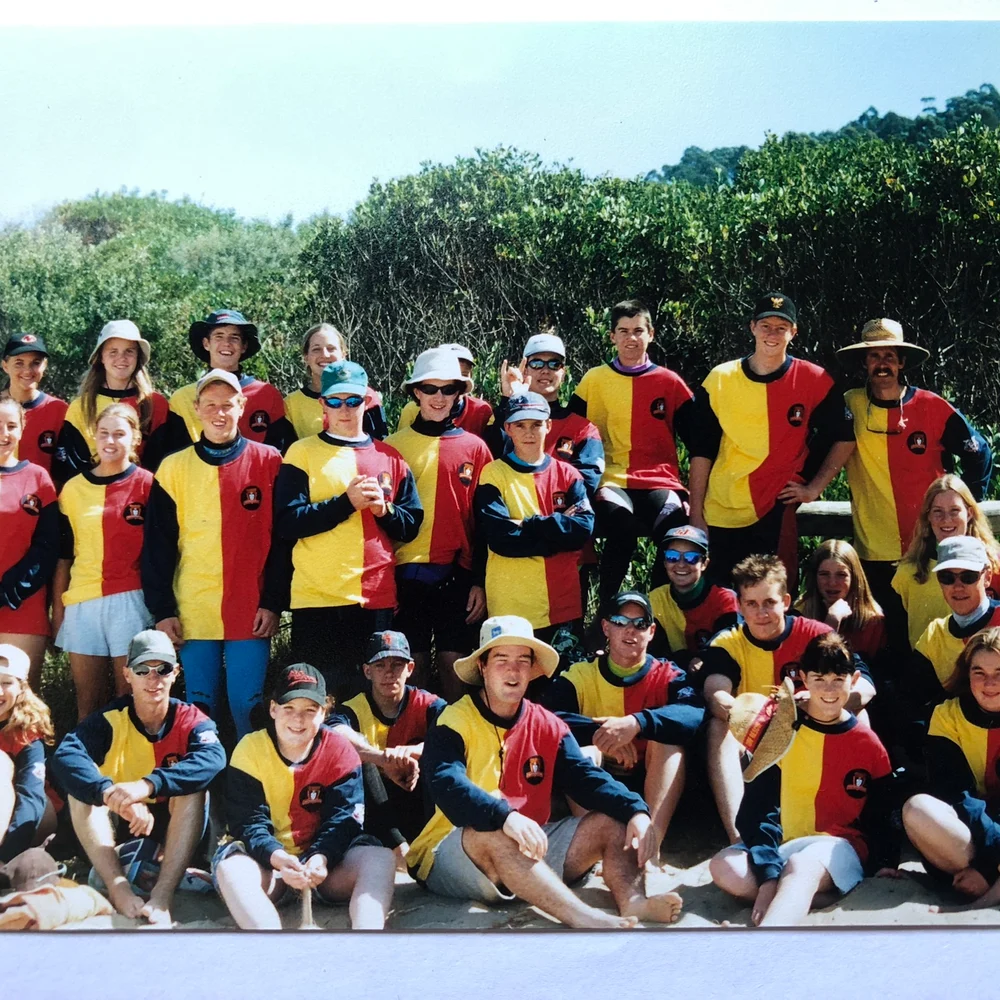
If you ask Michael Barrand how he became a surf lifesaver, he’ll probably laugh and tell you it all started because no one else in the Colac Tech staffroom wanted to do it. Back in 1998, the school signed up for a student community‑learning project. When the class was paired with Wye River SLSC, he was the only teacher to step forward. “I was stuck with it,” he recalls, “and it turned out to be another pivotal moment.”
So, he did what great teachers do: he jumped alongside his students. He completed his Bronze Medallion with the first group and quickly realised he’d found something much bigger than a school project.
Growing With the Club, and Helping It Grow Too
What started as a reluctant assignment grew into one of Michael’s greatest passions. As his students developed into lifesavers, he kept pushing himself too, earning awards, joining patrols, taking on club committee roles, and eventually becoming part of sport competition.
He didn’t stop there. He raced boards, skis, and Inflatable Rescue Boats (IRBs), competed at Vic Masters, and at times joined teams at Aussies (Australian Lifesaving Championships) and even the World Lifesaving Championships. Worlds in 2006, he says, was an eye‑opening indication that lifesaving is a global community full of people who love the ocean as much as he does.
But it’s the people, not the medals, that matter most to him. He’s watched hundreds of Colac students blossom into Training Officers, Patrol Leaders, Club Captains and even Life Members. And perhaps the most special moment of all? Seeing his own grandchildren step into leadership roles at Wye River. “Becoming part of that journey has been the best and made my life as a teacher enriching,” he says.
Why Older Australians Are Now at the Heart of His Mission
Michael’s decades on the beach have shown him how powerful surf education can be. But in recent years, the growing risks facing older Australians have continued to grow. According to recent research, more than half of all coastal drowning deaths now involve people aged 55 and over, with one‑quarter occurring among 60–69‑year‑olds. Every recorded incident occurred outside patrolled areas or during non-patrol times.
And the pattern is concerning. Many older adults are heading to the beach alone, sometimes with medical conditions, and without fully realising their changing abilities. The research puts it plainly: Drowning risk increases when older adults are by themselves. Social connection and regular participation with others are key to increasing capability.
Helping Older Adults Feel Confident in the Water Again
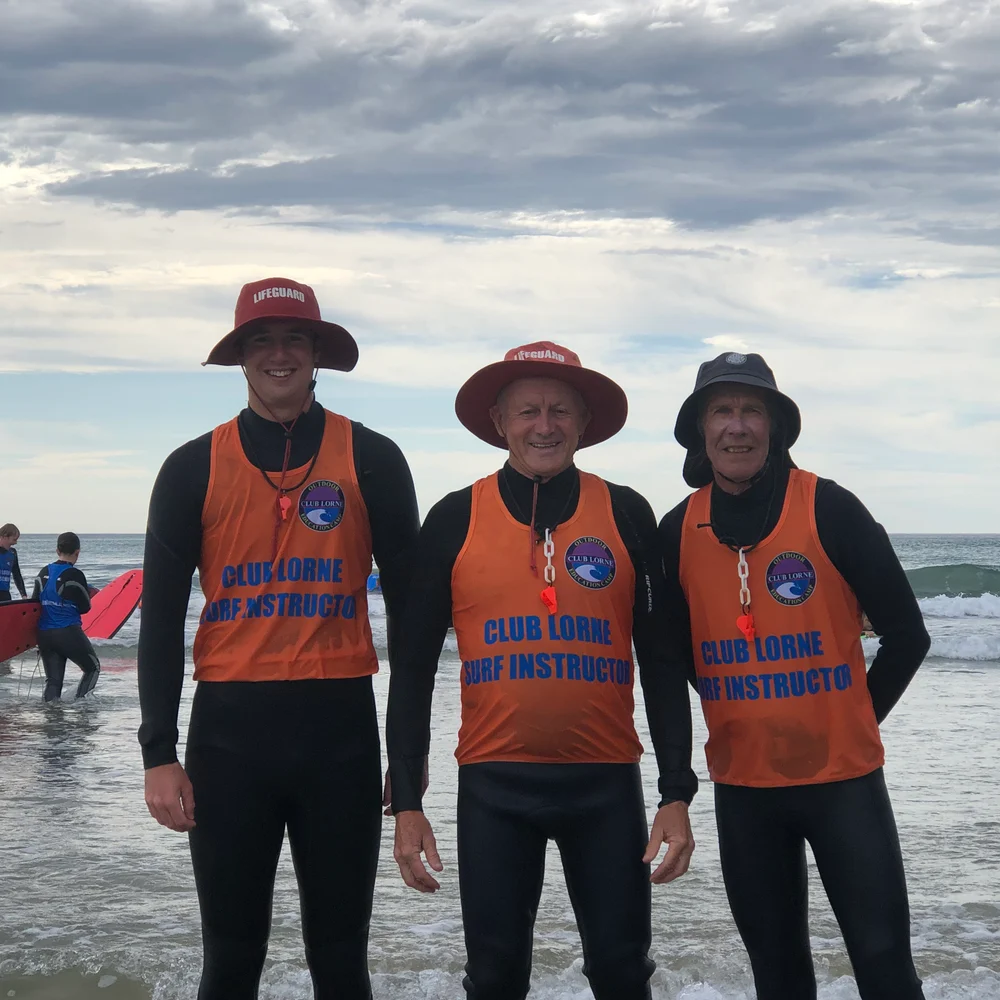
Michael loves seeing older adults step into the world of lifesaving, and he’s watched programs like Silver Salties and the Grey Medallion make a real difference. These projects help older Australians build water awareness through gentle movement, social activity and practical learning. They’re not about athleticism; they’re about belonging. Silver Salties, for example, offers everything from beach walks to simple surf education, all designed to keep people active, connected and safe.
And through his work on surf camps, he’s seen how quickly confidence can grow. “In a few days at camp,” he says, “we can give them awareness for themselves and their families.”
Whether it’s learning to read conditions, choosing patrolled beaches, understanding limitations or simply having someone nearby, Michael knows these small steps can be life‑saving.
It’s Never Too Late to Start
Now in his 70s, Michael’s story carries an encouraging message for older Australians: the ocean can still be enjoyed. With awareness, social connection, and a bit of guidance, you can feel safer, calmer, and more capable on the coast.
And like Michael, you might find that one unexpected moment leads to a whole new chapter.